What Is Attendance Tracking Software?
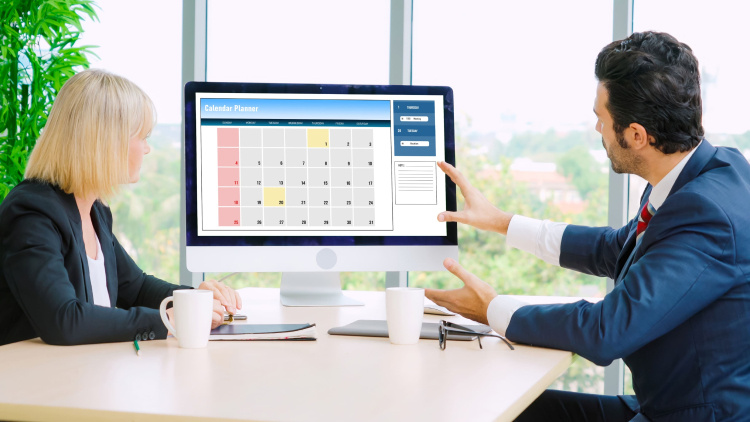
Attendance tracking software is a digital solution that records employee working hours, presence, absences, overtime, and shift patterns. It replaces manual registers, spreadsheets, and paper-based systems with automated and accurate data collection.
Modern time and attendance tracking software supports multiple attendance methods such as biometric devices, mobile apps, web check-ins, and integrations with HR systems. This ensures consistency and accuracy across different work models;on-site, remote, or hybrid.
Challenges with Traditional Attendance Tracking Methods
Despite technological advancements, many businesses still depend on manual attendance processes. These methods often create more problems than solutions.
Time-Consuming and Inefficient Processes
Paper sign-in sheets and manual registers consume valuable work hours. Employees spend long hours marking attendance, while HR teams invest significant effort in consolidating and validating records. This leads to reduced productivity and an increase in administrative workload.
Higher Risk of Errors and Manipulation
Manual attendance tracking is prone to data entry mistakes, proxy attendance, and inconsistencies. Even small errors can affect payroll accuracy and employee trust.
Difficulty in Data Retrieval and Analysis
Paper records and spreadsheets make it difficult to analyze attendance trends. Extracting insights such as absenteeism patterns or overtime costs becomes a tedious task, limiting strategic decision-making.
Limited Support for Remote and Hybrid Work
Traditional methods are not designed for flexible work environments. As remote and hybrid models become common, organizations need systems that allow secure attendance tracking from anywhere.
Why Are Businesses Adopting Attendance Tracking Software?
The shift from manual methods to digital attendance systems is driven by the need for accuracy, transparency, and efficiency. Employee attendance tracking software offers a structured approach to managing attendance while aligning with modern HR practices.
Key reasons organizations adopt attendance tracking software include:
- Automation of repetitive tasks
- Real-time visibility into workforce availability
- Better payroll accuracy
- Support for flexible and remote work
- Improved compliance with labor regulations
How Attendance Tracking Software Works
Modern time and attendance tracking software automates the entire attendance lifecycle. Employees record attendance through approved channels, and the system automatically processes the data.
Typical functionalities include:
- Recording punch-in and punch-out times
- Tracking work hours, overtime, and breaks
- Managing shift-based attendance
- Flagging late arrivals or early exits
- Syncing data with payroll and leave systems
This automation ensures consistency and reduces dependency on manual intervention.
Key Benefits of Attendance Tracking Software
Improved Accuracy and Reliability
Automated data capture minimizes errors associated with manual tracking. Whether through biometrics or mobile check-ins, attendance records are precise and consistent.
Time and Cost Savings
By eliminating manual processes, HR teams save time on attendance reconciliation. This allows them to focus on more strategic HR initiatives instead of administrative tasks.
Better Payroll Integration
Attendance data directly impacts payroll calculations. Time and attendance tracking software ensure accurate salary processing by automatically syncing work hours, overtime, and leave data.
Enhanced Data Security and Compliance
Digital attendance systems offer secure data storage, role-based access, and audit trails. This helps organizations comply with data protection and labor regulations.
Support for Remote and Hybrid Work
Mobile and cloud-based attendance tracking allows employees to log attendance securely from any location. This flexibility is essential for today’s distributed workforce.
Improved Workforce Visibility
Managers gain real-time insights into team availability and attendance trends, helping them plan workloads and manage productivity more effectively.
How Attendance Tracking Software Enhances Employee Experience
Ease of use is a major factor in employee adoption. Modern attendance systems are designed with intuitive interfaces that require minimal training.
Employees benefit from:
- Quick and simple attendance marking
- Transparency in attendance records
- Access to attendance history and work hours
- Flexibility to log attendance remotely
This convenience reduces friction and builds trust between employees and HR teams.
Attendance Tracking Software and Workforce Analytics
Beyond tracking attendance, modern systems generate valuable insights. Attendance data can highlight trends such as frequent absenteeism, overtime patterns, or workforce utilization gaps.
By analyzing this data, HR leaders can:
- Identify productivity bottlenecks
- Improve shift planning
- Reduce burnout caused by excessive overtime
- Align workforce availability with business needs
This transforms attendance tracking from an operational task into a strategic resource.
Integration with Broader HR Systems
Attendance tracking works best when integrated with other HR functions. Most modern employee attendance tracking software connects seamlessly with payroll, leave management, and performance systems.
This integration ensures:
- Consistent data across HR processes
- Reduced duplication of work
- Faster and more accurate reporting
An integrated HR ecosystem simplifies workforce management and improves decision-making.
Attendance Tracking in Modern HR Platforms
Today’s HR platforms treat attendance as a core component of workforce management rather than a standalone function. HONO provides a unified view of workforce activity, integrating attendance tracking with payroll, leave, and analytics.
Such platforms help organizations move from basic attendance recording to intelligent workforce planning, without adding complexity.
Choosing the Right Attendance Tracking Software
When evaluating attendance tracking software, organizations should consider:
- Ease of use for employees and HR teams
- Support for multiple attendance methods
- Integration with payroll and HR systems
- Scalability for future growth
- Data security and compliance features
Selecting the right solution ensures long-term value and smooth adoption.
Final Thoughts: Why Attendance Tracking Software Matters
In today’s dynamic work environment, manual attendance methods no longer meet business needs. Attendance tracking software provides the accuracy, flexibility, and insights required to manage modern workforces effectively.
By automating attendance, supporting remote work, and integrating with HR processes, time and attendance tracking software helps organizations improve efficiency, enhance employee experience, and make data-driven decisions.
For businesses aiming to build a transparent and future-ready HR ecosystem, investing in reliable employee attendance tracking software is not just an operational upgrade, it’s a strategic necessity. Book a Demo now!.
Related Articles: Top 7 HR Software for Blue-Collar and Field Workers in 2026Frequently asked
FAQs
See it live
Ready to see HONO in action?
Book a 20-minute demo tailored to your team's HR stack.
Request a demo
About the author
Prasanth
Prasanth is a Disruptive Technology Specialist and technical leader who translates complex business needs into secure, innovative software solutions. A master at guiding and elevating development teams, he specializes in making high-level IT strategies clear, accessible, and highly impactful for the modern enterprise.