What Is Employee Offboarding?
Employee offboarding encompasses the entire experience of managing workforce departures—from resignation announcements through final transitions. Unlike traditional approaches that treat departures as administrative checkpoints, modern offboarding recognizes the human element: it's an emotional milestone that shapes lasting perceptions of your organization.
A comprehensive offboarding framework addresses both operational necessities and relationship preservation, creating pathways for future collaboration. When executed thoughtfully, this process leaves departing employees feeling valued while positioning your organization for potential re-engagement down the line.
Why Exit Management Matters More Than Ever
Strategic exit management forms the backbone of successful employee offboarding. This multifaceted discipline includes structured exit conversations, systematic knowledge documentation, and intentional alumni community development. Organizations that excel in these areas don't just facilitate smooth transitions—they cultivate ambassadors who champion their brand long after departure.
The ripple effects of effective exit management extend beyond individual transitions. They influence employer brand perception, talent pipeline development, and even customer relationships when former employees become clients or partners.
Reimagining Alumni Engagement in Modern Offboarding
The Evolution Beyond Final Goodbyes
The narrative around employee departures has fundamentally shifted. Rather than viewing resignations as permanent separations, forward-thinking organizations recognize them as relationship transformations. The boomerang employee phenomenon—where talented professionals return to previous employers—has become mainstream, with studies showing that engaged alumni are significantly more likely to consider returning.
This shift requires rethinking how we approach employee offboarding. Instead of minimizing contact during transitions, leading HR teams now design experiences that maintain connection and leave doors open for future collaboration.
Digital Communities: Maintaining Connection at Scale
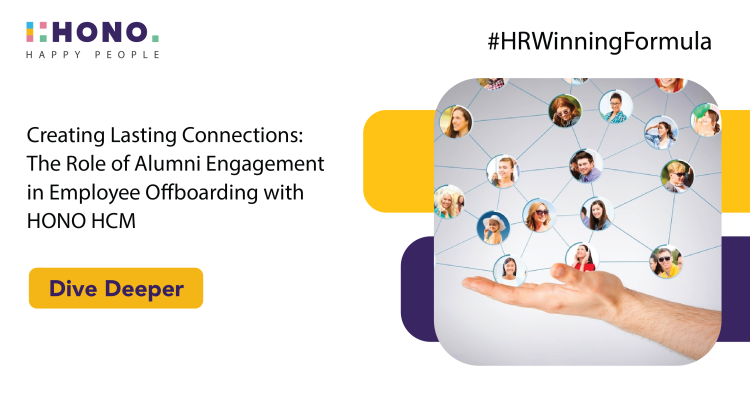
Remote work has accelerated the adoption of virtual alumni communities. These digital spaces serve as gathering points where former employees exchange insights, share career developments, and maintain professional relationships independent of geography.
Virtual alumni platforms offer distinct advantages: they're accessible 24/7, accommodate global participation, and create searchable knowledge repositories. For organizations, they provide continuous touchpoints with talent pools while demonstrating ongoing investment in relationships.
The Strategic Value of Alumni Networks
How Industry Leaders Leverage Alumni Communities
Fortune 500 organizations have recognized that alumni networks represent strategic assets, not nostalgia projects. These companies systematically engage former employees to drive innovation, gather market intelligence, and access specialized expertise without traditional employment constraints.
Consider the tangible returns: alumni provide unfiltered product feedback, identify emerging market opportunities, and often become customers or partners themselves. This positions effective exit management not as an HR cost center but as an investment in extended organizational capabilities.
Alumni Networks as Business Accelerators
Well-managed alumni communities function as bridges connecting organizational past, present, and future. They deliver measurable value across multiple dimensions:
- Talent Acquisition: Alumni become high-quality recruitment channels, recommending candidates who align with organizational values.
- Innovation Pipeline: Former employees offer external perspectives on internal challenges while maintaining institutional knowledge.
- Market Expansion: Networks open doors to new industries, geographies, and customer segments.
- Brand Amplification: Engaged alumni become authentic advocates, sharing positive employer stories.
Implementing High-Impact Alumni Engagement Strategies
1. Design Comprehensive Offboarding Experiences
Move beyond checklists to create meaningful transition experiences:
- Structured Exit Dialogues: Conduct thoughtful conversations that gather honest feedback while demonstrating genuine interest in departing employees' futures.
- Knowledge Preservation: Implement systematic documentation processes that capture critical insights, relationships, and institutional knowledge.
- Alumni Program Framework: Establish formal structures that define how you'll maintain relationships, including communication cadences and engagement opportunities.
2. Cultivate Ongoing Community Connections
Build environments where alumni naturally want to stay engaged:
- Regular Touchpoint Events: Host quarterly virtual or hybrid gatherings that provide genuine value—industry insights, skill development, or professional networking—rather than thinly veiled recruitment pitches.
- Digital Engagement Platforms: Create dedicated spaces (LinkedIn groups, Slack communities, or custom platforms) where alumni can connect authentically with minimal organizational mediation.
3. Maintain Meaningful Communication Rhythms
Keep relationships warm through intentional outreach:
- Value-Driven Updates: Share company milestones, industry perspectives, and relevant opportunities through monthly or quarterly communications that respect recipients' time.
- Personalized Recognition: Acknowledge individual milestones—career achievements, work anniversaries, or personal celebrations—to reinforce that relationships matter beyond transactional value.
4. Activate Alumni as Recruitment Partners
Transform former employees into talent magnets:
- Referral Programs: Develop alumni-specific recruitment incentives that recognize their unique ability to assess cultural fit.
- Accelerated Hiring Processes: Alumni referrals come pre-validated for cultural alignment, often reducing time-to-hire while improving retention outcomes.
- Quality Optimization: Candidates recommended by engaged alumni typically demonstrate stronger performance and longer tenure due to realistic job previews.
The Long-Term Impact: Why Alumni Engagement Drives Organizational Success
Strategic alumni engagement represents a fundamental shift in how organizations approach employee offboarding and exit management. Rather than treating departures as endings, this perspective recognizes them as transitions within ongoing professional relationships.
Organizations that embrace this mindset gain competitive advantages: access to flexible talent pools, authentic brand ambassadors, and innovation catalysts. The business case is compelling: investing in thoughtful offboarding delivers returns through reduced recruitment costs, accelerated hiring, and strengthened employer brands.
Moving Forward: Building Your Alumni Engagement Strategy
Implementing the approaches outlined above transforms employee offboarding from administrative necessity into strategic opportunity. Start by auditing your current exit processes and progressively build capabilities: structured exit conversations, knowledge transfer protocols, and finally, formal alumni community infrastructure.
Remember that authentic engagement isn't about manipulating relationships—it's about recognizing the mutual value created when professionals and organizations maintain connections beyond traditional boundaries. This investment in sophisticated exit management pays dividends throughout organizational lifecycles.
See it live
Ready to see HONO in action?
Book a 20-minute demo tailored to your team's HR stack.
Request a demo