The Performance Management Revolution Is Already Here
Organizations worldwide are fundamentally rethinking how they evaluate employee performance. Recent research shows that 81% of HR leaders are actively redesigning their appraisal frameworks, while 70% are reassessing their current performance management technology. These statistics reflect more than a trend—they reveal a critical recognition that outdated evaluation methods no longer serve modern workforces.
Forward-thinking companies including Netflix and Microsoft have already abandoned traditional annual reviews in favor of continuous performance dialogues supported by sophisticated software platforms. These organizations understand that meaningful performance management happens in real-time, not once a year in a conference room. If your organization still depends on legacy systems, you're likely missing critical opportunities to engage, develop, and retain top talent.
Learn more about employee performance tracking.
Recognizing When Traditional Systems Fail Your Organization
Legacy performance management approaches create friction rather than facilitate growth. These outdated systems generate stress for HR teams while leaving employees feeling undervalued and misunderstood. Several warning signs indicate it's time to modernize your performance management infrastructure:
- Inflexible Frameworks: Traditional systems enforce rigid, one-size-fits-all evaluation processes that fail to accommodate diverse roles, contributions, or working styles.
- Annual Anxiety: When appraisal season consistently triggers employee stress and disengagement, your system is fundamentally broken.
- Feedback Gaps: Waiting twelve months between substantive performance conversations creates information vacuums that hinder development and erode trust.
- Limited Visibility: Managers lack real-time insights into performance trends, making it impossible to address issues proactively or recognize achievements promptly.
What Modern Performance Management Software Actually Delivers
Next-generation performance management software addresses these limitations through features specifically designed for today's dynamic work environments:
1. Multi-Dimensional Feedback Architecture
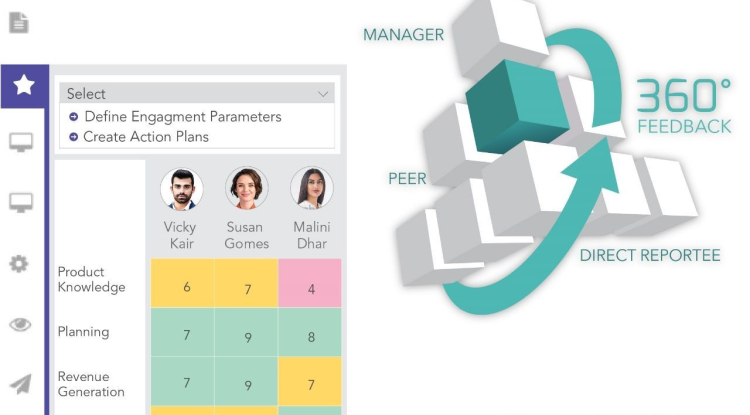
Comprehensive 360-degree feedback mechanisms capture performance insights from colleagues, managers, direct reports, and self-assessments, eliminating single-perspective bias.
2. Continuous Performance Dialogue
Rather than confining feedback to scheduled reviews, modern platforms facilitate ongoing conversations that make performance development an embedded part of organizational culture.
3. AI-Powered Analytics and Insights
Advanced data analysis capabilities identify performance patterns, predict development needs, and provide objective foundations for compensation and promotion decisions.
4. Intelligent Goal Alignment
Technology that connects individual objectives with team priorities and organizational strategy, ensuring every employee understands how their work contributes to broader success.
How Performance Management Software Transforms Appraisal Fairness
The true value of modern performance management software extends beyond convenience—it fundamentally reshapes how organizations evaluate and develop their people:
1. Eliminating Bias Through Objective Measurement
Quality performance management software establishes transparent, measurable performance indicators that reduce subjective judgment. By tracking concrete outcomes and behaviors over time, organizations create appraisal processes grounded in evidence rather than perception. This objectivity protects both employees and managers, ensuring evaluations reflect actual contributions rather than recency bias or personal preferences.
2. Driving Engagement Through Transparency
Organizations implementing robust performance management software typically see marked improvements in employee engagement. When people receive consistent feedback and understand exactly how their performance is measured, they feel more connected to their work and more confident in their career trajectory. This transparency builds trust and empowers employees to take ownership of their professional development.
3. Creating Comprehensive Performance Records
Modern platforms automatically document feedback exchanges, goal progress, and achievement milestones throughout the year. This continuous documentation provides invaluable context during formal appraisals, replacing vague recollections with specific examples. Both managers and employees benefit from this historical perspective, making appraisal conversations more productive and less contentious.
4. Enabling Personalized Development Pathways
Performance management software generates insights that help HR teams and managers design tailored development plans aligned with each employee's unique strengths, gaps, and aspirations. Rather than generic training recommendations, organizations can deliver targeted growth opportunities that accelerate capability building and career progression.
5. Supporting Strategic Workforce Planning
Beyond individual appraisals, performance management software provides organizational leaders with aggregated intelligence about workforce capabilities, performance distribution, and talent risks. These insights inform strategic decisions about succession planning, hiring priorities, and organizational development initiatives.
Implementation Best Practices for Performance Management Software
Adopting new performance management technology requires thoughtful change management to maximize adoption and impact. Consider these proven strategies:
- Co-Create with Employees: Involve team members across levels and functions in selecting and configuring your performance management software. Their input ensures the system addresses real needs and builds buy-in from the start.
- Invest in Comprehensive Training: Technology alone doesn't transform performance management—people do. Provide thorough training for HR professionals, managers, and employees to ensure everyone understands how to leverage the platform effectively.
- Model the Feedback Culture: Leadership must visibly embrace continuous feedback and transparent performance conversations. When executives use the system consistently, it signals organizational commitment and accelerates cultural adoption.
- Start with Pilot Programs: Consider launching your performance management software with select teams or departments before enterprise-wide rollout. This approach allows you to refine processes, address concerns, and build success stories that facilitate broader adoption.
- Measure and Iterate: Establish clear metrics to evaluate your performance management software's impact on engagement, retention, development, and business outcomes. Use this data to continuously optimize your approach.
The Business Case for Modern Performance Management
Beyond improving appraisal fairness, performance management software delivers measurable business value:
- Productivity Gains: Organizations with continuous feedback cultures report up to 14.9% lower turnover rates and significantly higher productivity compared to those relying on annual reviews alone.
- Retention Improvement: Employees who receive regular, meaningful feedback are 3.6 times more likely to be engaged and significantly less likely to seek opportunities elsewhere.
- Development Acceleration: Real-time performance insights enable faster skill development and more effective talent mobility within organizations.
- Decision Quality: Data-driven performance management reduces costly errors in promotion, compensation, and succession decisions.
The Future Belongs to Intelligent Performance Management
The evolution toward continuous, technology-enabled performance management isn't a passing fad—it represents a fundamental shift in how progressive organizations develop and retain talent. Companies that cling to outdated annual review cycles risk losing competitive advantage as top performers gravitate toward employers offering more meaningful development experiences.
By implementing modern performance management software like HONO Continuum, your organization can create an appraisal ecosystem that's not only fairer but also more effective at driving performance, engagement, and growth. The technology transforms performance management from a dreaded annual event into an ongoing dialogue that empowers employees and equips managers with the insights they need to lead effectively.
The question isn't whether to modernize your performance management approach—it's how quickly you can implement systems that position your organization for success in the talent-competitive landscape ahead.
Ready to transform your approach to performance appraisals? Connect with us today to discover how HONO Continuum can help your organization build a performance culture that drives results.
See it live
Ready to see HONO in action?
Book a 20-minute demo tailored to your team's HR stack.
Request a demo