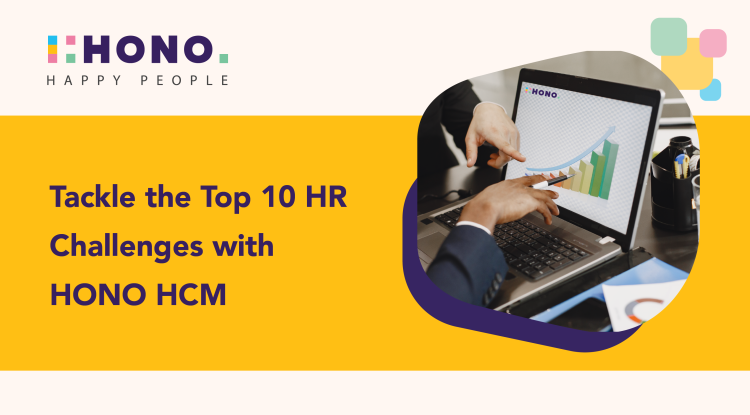
Understanding Modern HR Challenges
The workplace has fundamentally changed. Remote work, generational shifts, and digital transformation have introduced complexities that traditional HR approaches simply can't handle. Today's HR challenges include:
- Making sense of fragmented HR data across multiple systems
- Competing for talent in increasingly tight labor markets
- Closing skills gaps while keeping pace with technological change
- Maintaining engagement across distributed teams
Acknowledging these realities is the first step. Organizations that identify their specific challenges can develop targeted strategies rather than relying on generic solutions that rarely move the needle.
2. Unlocking Insights Through HR Analytics
Here's a sobering statistic: PwC research reveals that 39% of companies lack the capability to effectively analyze their HR data. Without analytics, you're essentially flying blind—making decisions based on gut feeling rather than evidence.
This is where AI-driven HR analytics becomes transformative. HONO's Analytics Software doesn't just compile reports; it uncovers patterns and predicts trends that human analysis might miss. The platform delivers:
- Predictive analytics that forecast turnover risks and identify future hiring needs
- AI-powered recruitment intelligence that surfaces the best-fit candidates faster
- Sentiment analysis that gauges employee morale in real-time
- Performance correlations that reveal what actually drives results in your organization
When HR teams can access these insights instantly, they shift from reactive problem-solving to proactive workforce planning. This analytical foundation addresses one of the most fundamental top HR challenges: making decisions with confidence.
3. Building Smarter Recruitment Strategies
Attracting the right talent ranks among the most persistent HR challenges—36% of organizations cite recruitment difficulties as a major concern. The traditional post-and-pray approach no longer works in competitive markets where top candidates are off the market within days.
Modern recruitment demands a strategic, technology-enabled approach:
- Strengthen your employer brand: Showcase your culture authentically through employee stories, transparent values, and compelling career narratives that resonate with your ideal candidates.
- Leverage intelligent automation: HONO's recruitment solutions use AI to screen applications, match candidates to roles based on skills and potential, and even predict candidate success—dramatically reducing time-to-hire while improving quality.
- Adopt skills-based hiring: Move beyond credential filtering to assess actual capabilities, opening your talent pool while finding candidates who can truly perform.
- Implement strategic sourcing: Use data to identify where your best hires come from and double down on those channels.
By combining technology with human judgment, organizations can solve recruitment challenges that once seemed insurmountable.
4. Creating Seamless Onboarding Experiences
First impressions matter. Research consistently shows that effective onboarding significantly impacts long-term retention and productivity. Yet many organizations still subject new hires to disjointed, paperwork-heavy processes that create confusion rather than clarity.
HONO's intelligent onboarding platform transforms this critical phase:
- Personalized journeys: Automatically customize onboarding based on role, department, and individual needs—no more one-size-fits-all checklists.
- Progressive engagement: Spread activities across the first 90 days, helping new employees absorb information and build relationships naturally.
- Automated task management: Handle documentation, system access, and compliance requirements seamlessly in the background.
- Integration touchpoints: Schedule meaningful interactions with managers, mentors, and teammates at optimal intervals.
When new hires feel welcomed, prepared, and connected from day one, they become productive faster and stay longer—addressing retention challenges before they start.
5. Accelerating Employee Development and Skills Growth
The pace of change means yesterday's skills become obsolete quickly. Organizations face a stark choice: continuously develop your people or watch your competitive advantage erode. Yet providing meaningful development at scale remains one of the toughest HR challenges.
HONO's talent management solutions make continuous learning practical and measurable:
- Personalized learning paths: AI recommends development activities based on individual career goals, current skills, and organizational needs.
- Skills gap analysis: Identify capability gaps across teams and individuals, then address them proactively.
- Performance integration: Connect learning directly to performance outcomes, making development relevant rather than theoretical.
- Multi-modal learning: Support various learning styles through videos, articles, mentoring, and experiential projects.
When employees see clear paths for growth and have tools to develop, engagement naturally increases while your organization builds the capabilities needed for future success.
6. Driving Meaningful Employee Engagement
Disengaged employees don't just underperform—they actively undermine culture and increase turnover. Despite countless engagement surveys and initiatives, many organizations struggle to move the engagement needle.
The difference lies in moving from measurement to action. HONO's engagement solutions enable this shift:
- Continuous feedback mechanisms: Replace annual surveys with pulse checks that capture sentiment in real-time.
- Sentiment analysis: AI identifies patterns in feedback, highlighting concerns before they become crises.
- Action planning tools: Connect insights to specific improvements, ensuring feedback actually leads to change.
- Recognition integration: Make appreciation visible and frequent, reinforcing behaviors that drive results.
Engagement improves when employees feel heard and see that their input creates tangible change. Technology makes this possible at scale without overwhelming HR teams.
7. Embracing Workforce Diversity Effectively
Diversity drives innovation—diverse teams consistently outperform homogeneous ones in problem-solving and creativity. Yet managing diverse workforces presents real HR challenges, from unconscious bias to communication differences.
Addressing diversity requires intentionality:
- Bias-aware hiring: HONO's AI-powered recruitment reduces unconscious bias by focusing on skills and potential rather than background signals.
- Inclusive policies: Use data to audit policies for disparate impact and create truly equitable practices.
- Diversity metrics: Track representation across levels, departments, and roles to identify gaps.
- Inclusion training: Equip managers with skills to lead diverse teams effectively, turning potential friction into creative advantage.
Organizations that embrace diversity authentically don't just check compliance boxes—they unlock innovation and access broader talent pools.
8. Ensuring Compliance and Regulatory Adherence
Regulatory compliance grows more complex annually, with varying requirements across jurisdictions, industries, and employee types. Non-compliance carries serious consequences: legal liability, financial penalties, and reputational damage.
HONO's compliance management capabilities reduce this risk:
- Automated tracking: Monitor certification renewals, training requirements, and documentation deadlines automatically.
- Regulatory updates: Stay current with changing laws without dedicating staff to constant monitoring.
- Audit trails: Maintain comprehensive records that demonstrate compliance efforts.
- Policy management: Ensure everyone accesses current policies with version control and acknowledgment tracking.
By automating compliance workflows, HR teams shift from reactive scrambling to confident, proactive management—addressing one of the most stressful top HR challenges.
9. Developing Retention Strategies That Work
Turnover costs organizations between 50-200% of an employee's annual salary when accounting for lost productivity, recruitment, and training. Yet many retention efforts fail because they address symptoms rather than root causes.
Effective retention requires understanding why people stay and why they leave:
- Stay interviews: Regularly discuss what keeps employees engaged before they consider leaving.
- Predictive analytics: HONO's AI identifies flight risks based on engagement patterns, performance trends, and other signals.
- Career pathing: Show clear advancement opportunities, addressing the common complaint that "there's nowhere to grow."
- Competitive compensation: Use market data to ensure packages remain competitive.
- Recognition programs: Make appreciation frequent, specific, and meaningful.
When organizations proactively address retention, they keep institutional knowledge, maintain productivity, and reduce the constant disruption of turnover.
10. Transforming HR Through Intelligent Technology
Technology isn't just a tool for addressing HR challenges—it's a fundamental enabler of modern workforce management. Organizations still relying on disconnected systems and manual processes simply can't compete with those leveraging integrated, AI-powered platforms.
HONO's comprehensive HCM platform brings everything together:
- Unified data: Eliminate silos by connecting recruitment, performance, learning, and analytics in one ecosystem.
- AI-powered intelligence: Surface insights and recommendations that would be impossible to identify manually.
- Automation: Handle routine tasks automatically, freeing HR professionals for strategic work.
- Employee self-service: Empower people to manage their own information, time off, and development.
Frequently asked
FAQs
See it live
Ready to see HONO in action?
Book a 20-minute demo tailored to your team's HR stack.
Request a demo