How Workplace Dynamics Have Transformed
The traditional 9-to-5 office model has given way to hybrid work arrangements, remote teams, flexible scheduling, and distributed workforces. These changes have fundamentally altered how organizations need to approach attendance tracking.
Today's HR teams must accurately capture attendance data across multiple locations, time zones, and work arrangements—a challenge that legacy systems were never designed to address. The complexity increases exponentially when managing teams that include remote workers, field employees, shift workers, and office-based staff simultaneously.
Why Legacy Attendance Tracking Systems Fall Short
Manual attendance systems—including physical sign-in sheets, punch clocks, and traditional roll calls—create significant friction in modern work environments. These outdated approaches introduce several critical problems:
- Data Accuracy Issues: Manual entry methods are inherently error-prone. Mistakes in attendance records cascade into payroll errors, inaccurate performance metrics, and compliance risks that can cost organizations significantly.
- Productivity Drain: Physical punch clocks and attendance kiosks create bottlenecks. Employees waste productive minutes waiting in line, while HR teams spend hours reconciling discrepancies and correcting errors.
- Limited Visibility: Without real-time data access, management operates on delayed information. This lag prevents proactive decision-making and reduces organizational agility when responding to attendance patterns or staffing needs.
- Poor Employee Experience: Millennials, who grew up with smartphones and instant digital experiences, find manual attendance systems frustrating and outdated. This friction negatively impacts engagement and employer brand perception.
The Modern Solution: Technology-Driven Attendance Management
Organizations serious about workforce management need an attendance management system built for today's realities. Modern solutions, such as the HONO Attendance & Personnel Access Control System (HAPACS), are specifically designed to address the challenges faced by diverse workforces.
1. AI-Powered Facial Recognition Technology
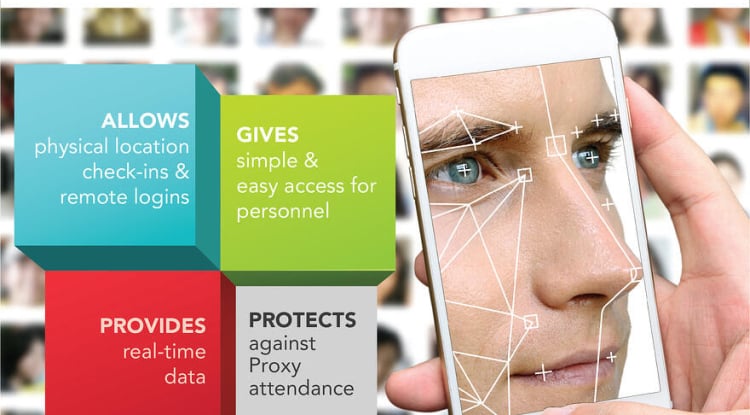
HAPACS leverages advanced AI-driven facial recognition to deliver secure, contactless check-ins that eliminate "buddy punching" and proxy attendance. The system provides reliable identity verification while creating a frictionless experience for employees—no cards to forget, no passwords to remember.
2. Complete Mobile Flexibility
Employees can check in from any location using their mobile devices. This capability is essential for remote teams, field workers, and hybrid arrangements. The mobile-first approach aligns perfectly with millennial preferences for technology that integrates seamlessly into their daily workflows.
3. Instant Data Visibility
Modern platforms deliver real-time attendance data to HR teams, operations managers, and leadership. This immediate visibility enables quick decision-making on staffing, project allocation, and resource planning—critical capabilities in fast-moving business environments.
4. Seamless System Integration
The platform integrates smoothly with your existing HRMS, payroll platforms, and workforce management tools. This interoperability ensures data consistency across your technology stack while minimizing implementation disruption.
Tangible Benefits of Modern Attendance Solutions
Implementing an advanced attendance management system delivers measurable improvements across multiple dimensions:
- Precision and Reliability: AI-driven technology virtually eliminates data entry errors, producing accurate records you can trust for payroll processing and workforce analytics.
- Enhanced Employee Satisfaction: Streamlined check-in processes respect employee time and demonstrate organizational commitment to modern technology. This contributes to higher engagement and millennial retention.
- Operational Efficiency Gains: Automated tracking dramatically reduces administrative overhead, allowing HR teams to focus on strategic initiatives like talent development and workforce planning.
- Data-Driven Decision Making: Rich attendance analytics reveal patterns in absenteeism and punctuality trends, enabling proactive management interventions.
Implementation Roadmap: Transitioning Successfully
- Prioritize Transparent Communication: Address privacy concerns proactively, particularly around biometric data.
- Invest in User Enablement: Develop multi-format training resources and designate system champions within each department.
- Implement Iteratively and Gather Feedback: Consider phased implementation starting with pilot groups to identify issues before an organization-wide rollout.
- Activate Your Analytics Capabilities: Once operational, identify attendance trends that indicate engagement issues and spot opportunities for policy improvements.
- Continuously Optimize: Schedule regular reviews of system performance, user satisfaction, and business outcomes.
Conclusion: Moving Forward with Confidence
The workplace has evolved—your attendance tracking should too. Transitioning from primitive to modern attendance management represents an opportunity to demonstrate organizational commitment to innovation, employee experience, and operational excellence. Companies that make this shift gain tangible advantages in workforce management while strengthening their employer brand in competitive talent markets.
See it live
Ready to see HONO in action?
Book a 20-minute demo tailored to your team's HR stack.
Request a demo