The Rise of HR Chatbots
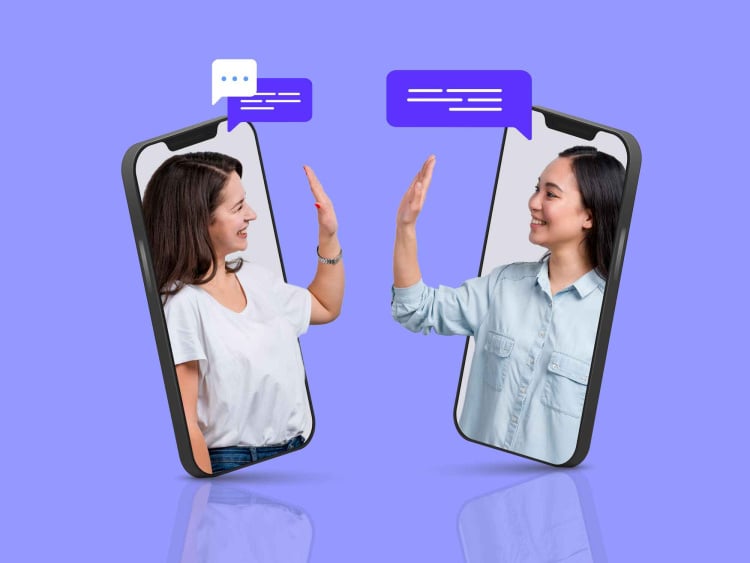
In the pursuit of operational excellence, HR chatbots have become indispensable allies for HR teams. These AI-powered conversational interfaces are fundamentally reshaping traditional HR delivery models by automating repetitive administrative work and providing instant, 24/7 support. The adoption speaks for itself—62% of employees now prefer interacting with chatbots for their personal HR needs, signaling a clear shift in workplace expectations.
Think of HR chatbots as intelligent digital assistants that handle a wide spectrum of HR functions:
- Leave requests and approvals
- Attendance tracking and corrections
- Policy clarification and guidance
- New hire onboarding journeys
- Learning and development coordination
- Performance management queries
- Compensation and payroll questions
By delivering contextual, personalized responses instantly, these chatbots eliminate communication friction and create more accessible HR services across global, multilingual workforces.
Exploring Creative Use Cases
Modern HR chatbots extend far beyond simple question-and-answer scenarios. They are enabling entirely new ways for organizations to support and engage with employees:
1. Personalized Onboarding Journeys
An HR chatbot can serve as a personal guide, walking new hires through each onboarding milestone—from document submission to benefits enrollment. The chatbot checks in proactively, ensuring nothing falls through the cracks during this critical transition period.
2. Employee Recognition and Celebrations
Building culture at scale requires consistent recognition. Chatbots can automate celebration moments for work anniversaries or achievements, reinforcing positive behaviors and strengthening organizational culture in distributed teams.
3. Adaptive Learning Experiences
Chatbot-driven learning modules can adapt to individual needs, delivering microlearning content and conducting knowledge checks. This creates more engaging development experiences that employees can access on-demand.
4. Continuous Feedback Mechanisms
Rather than waiting for annual surveys, chatbots can collect real-time pulse feedback following specific events. This immediate loop gives HR leaders actionable insights to respond rapidly to emerging concerns.
5. Wellbeing and Mental Health Resources
Chatbots can provide confidential first-line support by offering mental health resources or guidance on accessing assistance programs, demonstrating an organizational commitment to holistic employee care.
Enhancing Employee Engagement
Integrating HR chatbots into daily operations creates measurably higher engagement levels. By offering instant, self-service access to HR support, chatbots empower employees to resolve their needs autonomously. Beyond reactive support, intelligent chatbots can proactively drive engagement by suggesting skill-building programs or mentorship resources based on an employee's career interests.
The Evolution of HR Chatbots
Today's solutions represent a quantum leap forward. Powered by Natural Language Processing (NLP) and machine learning, modern HR chatbots understand context and conduct genuinely conversational interactions.
Key Capabilities of Next-Generation HR Chatbots
- Predictive Analytics Integration: Leveraging workforce analytics to anticipate needs and optimize retention strategies.
- Enterprise System Connectivity: Integrating seamlessly with HRIS, payroll, and ATS systems to eliminate data silos.
- Contextual Understanding: Interpreting nuanced queries and handling multi-turn dialogues that feel natural.
Practical Tips for Implementing HR Chatbots
If you're planning to deploy HR chatbots, these strategies will help ensure success:
- Establish Clear Use Cases: Identify high-volume processes where chatbots deliver immediate value, such as benefits enrollment.
- Select the Right Platform: Evaluate solutions based on AI sophistication, integration capabilities, and scalability.
- Design for Personalization: Configure the chatbot to recognize employee profiles and remember preferences to improve adoption.
- Maintain Content Accuracy: Establish governance processes to ensure knowledge bases stay current with policy changes.
- Create Feedback Loops: Use employee ratings of interactions to continuously refine conversation flows.
- Enable HR Team Collaboration: Train your HR professionals to work alongside chatbots effectively, handling escalations smoothly and using chatbot analytics to inform their priorities and strategies.
Conclusion: Embracing the Future with HR Chatbots
As the workplace continues to evolve, HR chatbots will play an increasingly central role in delivering exceptional employee experiences while streamlining HR operations. Organizations that strategically implement these tools don't just gain efficiency—they build more responsive, accessible, and employee-centric HR functions.
The opportunity is clear: with thoughtful deployment and ongoing optimization, HR chatbots can transform how your organization communicates with employees, making HR services more efficient, inclusive, and valuable. The key is remembering that technology should augment human connection, not replace it. The best HR strategies blend chatbot efficiency with the empathy, judgment, and relationship-building that only people can provide.
Frequently asked
FAQs
See it live
Ready to see HONO in action?
Book a 20-minute demo tailored to your team's HR stack.
Request a demo
About the author
Mazna Majeed
Mazna is a strategic HR leader with over 10 years of experience driving talent success and organizational growth. As Head of Talent Acquisition and Operations at HONO, she leads HR initiatives across India and South-East Asia, including manpower planning, employee lifecycle management, talent development, engagement, and retention. Mazna is known for aligning people strategy with business goals, building inclusive high-performing teams, and strengthening culture to enable sustainable growth.