Understanding Why Generative AI is Critical for Modern HR
The emergence of generative AI in HR marks a decisive departure from legacy systems toward intelligent, adaptive platforms. Traditional HR technology focused primarily on digitizing manual workflows and automating repetitive administrative tasks. In contrast, generative AI delivers predictive insights, creative problem-solving capabilities, and strategic recommendations that empower HR leaders to make smarter decisions. This evolution is ushering in a new paradigm where human resources becomes a truly strategic business function characterized by agility and intelligence.
The HR Technology Journey: From Manual Processes to Intelligent Systems
HR's transformation has been remarkable—evolving from filing cabinets and paper forms to cloud-based platforms and now intelligent systems. The introduction of AI in Human Resources represents the next quantum leap, with generative AI capabilities that fundamentally expand what's possible. These advanced tools are already transforming core HR functions including:
- Talent Acquisition: Accelerating candidate identification and improving hiring quality through intelligent screening.
- Workforce Engagement: Creating hyper-personalized employee journeys that drive satisfaction and retention.
- Skills Development: Delivering customized learning pathways aligned with individual career goals and organizational needs.
The Strategic Value of Integrating AI in HR Operations
Organizations implementing AI in HR are realizing tangible benefits that directly impact business outcomes:
1. Operational Excellence
Automating administrative workflows frees HR teams to concentrate on high-value strategic initiatives that shape company culture and drive growth.
2. Smarter Insights
Sophisticated analytics transform workforce data into actionable intelligence that supports confident decision-making.
3. Individualized Experiences
Generative AI enables organizations to deliver personalized employee journeys that recognize and respond to individual preferences, career aspirations, and working styles.
Navigating Implementation Challenges Responsibly
Despite its transformative potential, deploying generative AI in human resources requires thoughtful consideration of several important factors:
- Ethical Implications: Algorithmic bias and fairness concerns demand careful oversight to ensure equitable outcomes across all employee populations.
- Data Security: Safeguarding confidential employee information must remain paramount as AI systems process sensitive personal and organizational data.
- Technical Integration: Seamlessly connecting AI capabilities with legacy HR systems presents meaningful technical challenges that require strategic planning.
Successfully adopting generative AI requires a deliberate, responsible approach that addresses these considerations while maximizing technology's benefits.
Expert Perspectives on AI's Role in Workplace Transformation
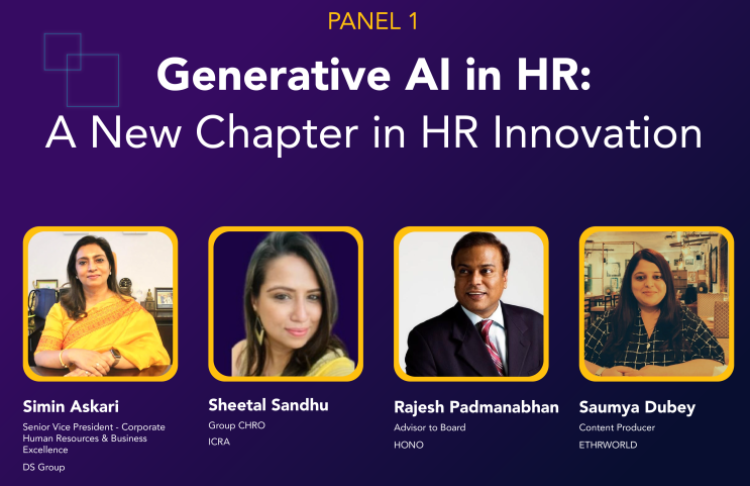
During the ETHR x HONO panel discussion "Gen AI at Work in 2024," thought leaders shared valuable insights on how Generative AI in HR is reshaping talent strategies. The distinguished panel featured:
- Simin Askari, Senior Vice President of Corporate Human Resources at DS Group
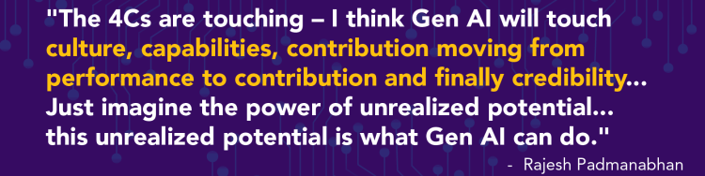
- Rajesh Padmanabhan, Chairman of the Advisory Board and Head of Western India at HONO
- Sheetal Sandhu, Group CHRO at ICRA
Core Themes from the Panel Discussion
The conversation centered on three fundamental areas where generative AI delivers measurable impact:
- 1. Data-Driven Leadership: Advanced analytics empower HR professionals with real-time workforce intelligence that informs strategic talent decisions.
- 2. Engagement Optimization: AI-powered sentiment analysis and feedback mechanisms enable organizations to proactively address engagement challenges and strengthen workplace culture.
- 3. Recruitment Excellence: Intelligent automation transforms hiring workflows, from initial candidate discovery through final selection, creating superior experiences for both applicants and recruitment teams.
Your Roadmap for Implementing AI in Human Resources
As companies prepare to leverage AI in Human Resources, consider these proven strategies for successful adoption:
- 1. Begin with Focused Pilots: Identify specific HR challenges where generative AI can deliver quick wins—perhaps candidate sourcing automation or personalized onboarding journeys. Starting small allows you to demonstrate value while building organizational confidence.
- 2. Build AI Literacy: Equip your HR professionals with the knowledge needed to effectively deploy and manage AI tools. Consider structured learning programs or partnerships with AI experts to accelerate capability development.
- 3. Establish Feedback Loops: Implement continuous monitoring frameworks that track AI system performance and capture stakeholder input. Regular assessment enables iterative improvements.
- 4. Champion Responsible AI Practices: Develop comprehensive governance frameworks that address transparency, accountability, and data protection. Clear policies ensure AI deployment aligns with organizational values.
- 5. Foster Human-AI Collaboration: Position AI as an augmentation tool that enhances human judgment rather than replaces it. The most effective implementations leverage AI's computational power alongside human empathy and contextual understanding.
Looking Ahead: The Future of People Management with Generative AI
Implementing generative AI in HR transcends technology adoption—it's about amplifying human potential and building workplaces that are more strategic, efficient, and inclusive. Organizations embracing AI in Human Resources position themselves to achieve transformative results that simultaneously benefit employees and business performance.
Building Competitive Advantage Through AI-Enabled HR
- Accelerating Talent Identification: AI-powered insights help companies identify and attract top performers more effectively than competitors relying on traditional methods.
- Reducing Turnover: Predictive analytics identify flight risks early, enabling proactive retention interventions that protect institutional knowledge.
- Scaling Personalization: Generative AI makes it economically feasible to deliver individualized experiences across large employee populations.
The Human Element Remains Central
While technology capabilities continue advancing, successful HR transformation maintains humanity at its core. Generative AI should enhance—not diminish—the empathy, judgment, and relationship-building that define exceptional people management. The most successful implementations balance technological efficiency with authentic human connection.
Taking Action: Your Next Steps
Understanding both the opportunities and considerations surrounding generative AI equips HR leaders to make informed decisions that create lasting organizational value. As the workplace continues evolving, the convergence of people expertise and AI technology will redefine employee experience, organizational culture, and business results.
The organizations that thrive will be those that thoughtfully integrate AI capabilities while preserving the human elements that make work meaningful. This balanced approach enables companies to operate with unprecedented efficiency while fostering environments where people genuinely flourish.
See it live
Ready to see HONO in action?
Book a 20-minute demo tailored to your team's HR stack.
Request a demo