Understanding Generative AI in HR: Why It's a Game-Changer
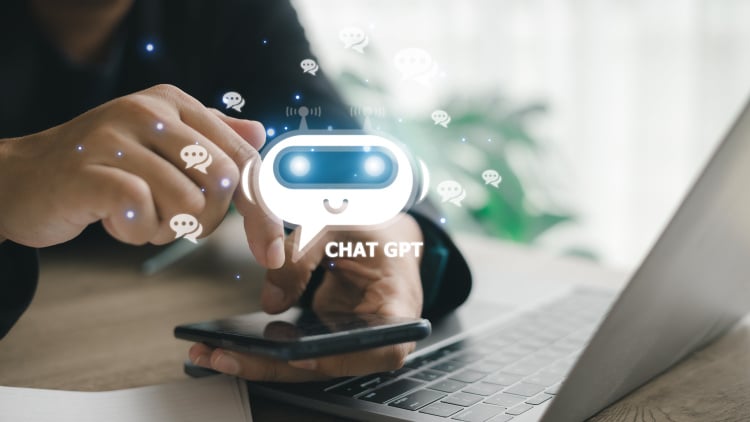
Generative AI represents a breakthrough in artificial intelligence—systems capable of producing original content, insights, and solutions by learning from existing data patterns. When applied to human resources, this technology empowers HR professionals to anticipate workforce trends, extract meaningful insights from complex datasets, and design customized solutions that address specific organizational challenges. The strategic value of generative AI in HR extends beyond efficiency gains; it fundamentally transforms how organizations understand and support their people.
Whether you're looking to modernize your recruitment pipeline, create more impactful onboarding experiences, or strengthen employee engagement, generative AI offers unprecedented capabilities. Let's explore the seven transformative ways this technology is redefining HR operations.
1. Intelligent, Data-Driven HR Strategy
Modern organizations generate vast amounts of workforce data daily. The challenge isn't collecting this information—it's transforming it into actionable intelligence. Generative AI excels at processing complex datasets to surface meaningful patterns and trends that would otherwise remain hidden. By analyzing employee engagement scores, performance indicators, sentiment data, and feedback in real time, AI enables HR teams to craft strategies grounded in evidence rather than intuition.
This data-driven approach allows organizations to identify what truly motivates their workforce, predict emerging challenges, and allocate resources more effectively. The result is an HR function that operates proactively rather than reactively.
Practical Application: Deploy AI-powered analytics platforms that consolidate your workforce data and deliver clear, actionable insights. This foundation ensures your HR initiatives directly address your employees' evolving needs and expectations.
2. Smarter Talent Acquisition That Saves Time and Improves Quality
Traditional recruitment approaches often involve manual resume screening, subjective candidate evaluations, and lengthy selection processes. AI in HRMS platforms revolutionizes this landscape by intelligently matching candidates to opportunities based on comprehensive skill assessments, experience profiles, and cultural fit indicators. Advanced algorithms can evaluate hundreds of applications in minutes, identifying top prospects while filtering out mismatches early in the process.
Beyond screening, AI-powered conversational interfaces enhance the candidate journey by providing immediate responses to inquiries, coordinating interview schedules, and even conducting initial assessments—all while maintaining a personalized, human-centric experience.
Success Story: Organizations like Unilever have transformed their talent acquisition function through AI implementation, dramatically reducing time-to-hire while simultaneously improving candidate quality and satisfaction scores.
3. Tailored Onboarding That Accelerates Integration
The first few weeks in a new role significantly impact long-term employee success and retention. A generic onboarding process fails to recognize that each new hire brings unique backgrounds, learning styles, and development needs. Generative AI addresses this by creating individualized onboarding journeys that adapt to each employee's role, experience level, and learning preferences.
These personalized programs can include customized training modules, role-specific resources, and adaptive learning paths that evolve based on the new hire's progress and engagement.
Practical Application: Implement AI-enabled onboarding platforms that automatically generate personalized learning experiences. These systems can track new hire progress and identify knowledge gaps.
4. Predictive Intelligence for Proactive Talent Management
The ability to anticipate workforce challenges before they escalate represents a paradigm shift in HR strategy. Generative AI leverages predictive analytics to identify emerging trends in talent management, from potential retention risks to future skill gaps. By analyzing historical patterns alongside current workforce data, AI models can forecast turnover likelihood, identify high-potential employees, and predict future talent needs with remarkable accuracy.
This foresight enables HR leaders to implement targeted interventions—whether retention strategies, succession planning, or learning initiatives—before issues impact business performance.
Strategic Advantage: Organizations using predictive analytics not only reduce the substantial costs associated with turnover but also build more resilient workforce strategies that align talent capabilities with future business objectives.
5. Continuous Employee Engagement That Drives Performance
Engaged employees are more productive, innovative, and committed to organizational success. Generative AI transforms engagement from periodic survey events into continuous, real-time insights. By analyzing feedback across multiple channels—pulse surveys, collaboration platforms, and performance discussions—AI provides HR teams with an up-to-the-minute understanding of workforce morale.
This ongoing visibility enables timely interventions and demonstrates to employees that their voices are heard and valued.
Practical Application: Leverage AI-driven engagement platforms that continuously collect and analyze employee sentiment. Use these insights to identify engagement drivers and address concerns promptly.
6. Dynamic Performance Management That Empowers Growth
Traditional annual performance reviews are increasingly recognized as inadequate for today's fast-paced work environments. AI in HRMS platforms modernize performance management by enabling continuous feedback loops and dynamic goal-setting. Generative AI analyzes performance data to provide managers with objective insights, suggest development opportunities, and help establish realistic yet challenging objectives.
This shift from backward-looking evaluations to forward-focused development conversations fundamentally changes how organizations support employee growth.
Implementation Example: Leading organizations like IBM have embedded AI throughout their performance management ecosystem, facilitating ongoing feedback and agile goal adjustment.
7. Robust Compliance and Data Protection
As workforce data becomes increasingly central to HR operations, protecting this information and maintaining regulatory compliance grows more complex. Generative AI strengthens organizational safeguards by continuously monitoring data practices, identifying potential compliance gaps, and flagging issues that require attention. From GDPR requirements to industry-specific employment regulations, AI systems can track changing obligations.
This automated oversight reduces compliance risk while freeing HR professionals to focus on strategic initiatives rather than manual auditing.
Risk Mitigation: Invest in AI-powered compliance management solutions that provide real-time monitoring and automated alerts to navigate the complex regulatory landscape.
Moving Forward: Embracing AI for HR Excellence
The integration of generative AI in HR marks more than a technological upgrade—it represents a fundamental reimagining of how organizations value and develop their people. By harnessing AI capabilities, forward-thinking companies are creating HR functions that are more strategic, responsive, and impactful. From evidence-based decision-making to personalized employee experiences, the applications of generative AI deliver measurable benefits that extend throughout the organization.
As you consider incorporating generative AI into your HR technology stack, prioritize solutions that enhance employee experiences, strengthen data security, and support continuous improvement. The organizations that successfully navigate this transformation will build sustainable competitive advantages through their people strategies.
See it live
Ready to see HONO in action?
Book a 20-minute demo tailored to your team's HR stack.
Request a demo
About the author
Neha Sinha
Neha Sinha is a Talent Acquisition Lead at HONO with around 9 years of experience in HR and recruitment. She specializes in data-driven hiring, HR analytics, and strategic talent management, and has worked with organisations like CarDekho (Girnar Group) and American Cyber Systems. She is passionate about building high-performing teams, aligning people strategy with business goals, and mentoring aspiring HR professionals.