Defining Employee Management in the Modern Workplace
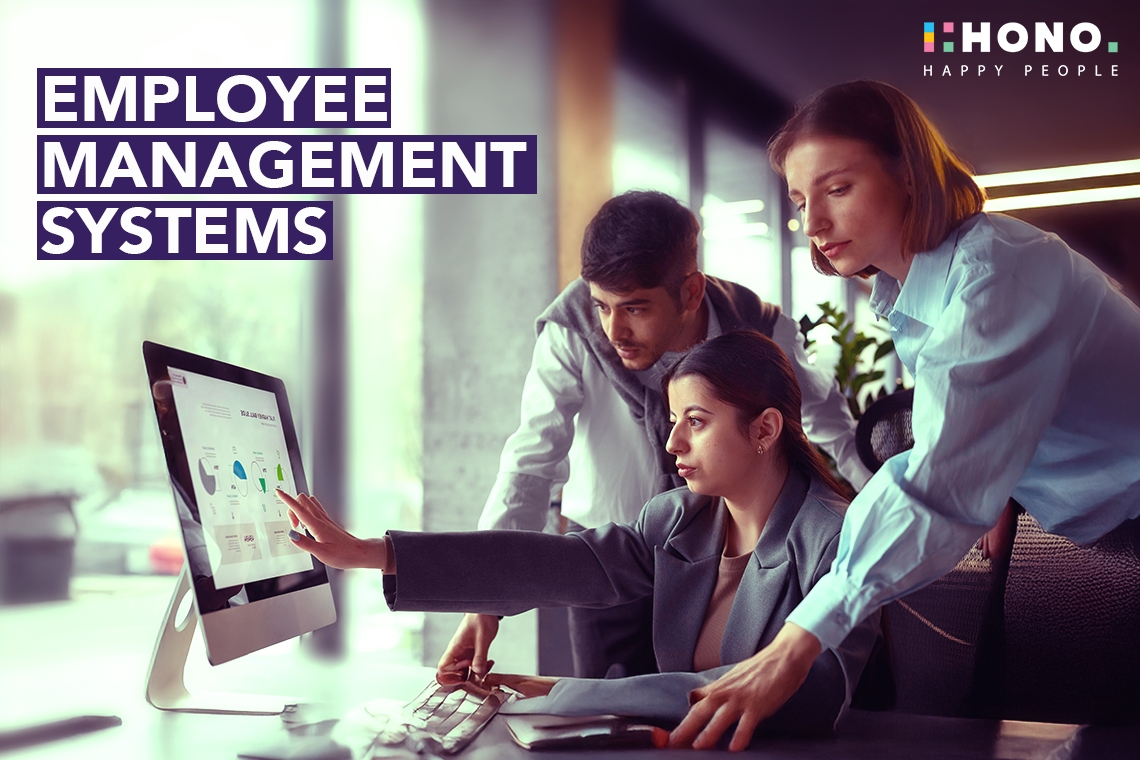
At its core, employee management represents a strategic framework designed to optimize every stage of the employee journey within your organization. It encompasses the systems, practices, and cultural elements that enable your team members to perform at their best while driving toward shared organizational objectives.
Think beyond basic HR administration. Effective employee management integrates recruitment and talent acquisition, seamless onboarding experiences, ongoing performance development, compensation and benefits administration, and genuine employee engagement initiatives—all working in harmony to create a cohesive employee experience.
The Value of Employee Management Services
Employee Management Services provide organizations with specialized expertise and resources to elevate their people operations. These services range from strategic HR consulting and technology implementation to ongoing operational support, all designed to enhance both employee satisfaction and organizational performance. Whether you're a growing startup or an established enterprise, these services can bridge capability gaps and accelerate your HR transformation.
Core Functional Areas
- 1. Performance Development: Monitor performance trends with analytics-powered tools that help managers support their teams more effectively.
- 2. Streamlined Payroll Processing: Automate compensation calculations, tax compliance, and payment distribution—minimizing errors while reducing processing time significantly.
- 3. Employee Self-Service Platform: Empower your workforce to access pay information, request time off, update personal details, and find answers to common questions independently, reducing HR ticket volume.
- 4. Advanced Reporting and Workforce Analytics: Transform raw data into actionable insights with comprehensive reporting tools that reveal workforce trends, identify retention risks, and inform strategic planning.
The Business Case for Investing in an Employee Management System
Organizations that implement a robust employee management system (EMS) see measurable returns across multiple dimensions:
1. Operational Efficiency That Scales
Automation fundamentally changes how your HR team spends their time. By eliminating repetitive manual tasks—like data entry, payroll calculations, and leave tracking—your people operations team can redirect their energy toward strategic initiatives that genuinely move the business forward. This shift from administrative to strategic work transforms HR from a cost center to a growth driver.
2. Data Accuracy You Can Trust
Human error in people data can have serious consequences—from payroll mistakes that erode trust to compliance gaps that create legal exposure. Employee management systems reduce these risks through automated calculations, validation rules, and integrated workflows that ensure consistency and accuracy across all employee records and transactions.
3. Elevated Employee Experience
Today's workforce expects consumer-grade experiences in their workplace tools. A thoughtfully implemented EMS delivers on this expectation through intuitive self-service capabilities that give employees autonomy and immediate access to the information they need. This empowerment leads to higher satisfaction, stronger engagement, and improved retention—particularly among tech-savvy younger workers who value digital convenience.
4. Built-In Compliance and Security
Labor regulations continue growing more complex across jurisdictions. Employee management systems help you navigate this complexity by maintaining accurate records, automating compliance workflows, and generating audit trails. Equally important, enterprise-grade security features protect sensitive employee information through encryption, access controls, and regular security updates that would be impossible to maintain manually.
Selecting the Right Employee Management System for Your Organization
The market offers countless employee management solutions, each with different strengths and approaches. Finding the right fit requires careful consideration:
- 1. Start with Strategic Alignment: Before evaluating specific platforms, clearly define your requirements. Are you primarily addressing payroll challenges? Looking to transform performance management? Need comprehensive workforce analytics?
- 2. Prioritize User Experience: The most feature-rich system fails if your team won't use it. Seek platforms with clean, intuitive interfaces that reduce training requirements and encourage adoption.
- 3. Plan for Growth: Your employee management system should grow with you. Whether you're adding headcount or expanding into new markets, your platform should accommodate increased complexity without requiring expensive customizations.
- 4. Ensure Seamless Integration: Your EMS won't operate in isolation. It needs to exchange data with your existing technology ecosystem—recruiting platforms, learning management systems, financial software, and productivity tools.
- 5. Evaluate Vendor Partnership Potential: Technology selection is ultimately a partnership decision. Look beyond the software to evaluate the vendor's commitment to customer success and their product roadmap vision.
Success Stories: Employee Management Systems in Action
Technology Firm Transforms Payroll Accuracy
A mid-sized technology company struggling with recurring payroll errors implemented an AI-powered employee management system with automated calculations and built-in compliance checks. Within the first quarter, they eliminated payroll discrepancies by 85%, significantly improving employee trust and reducing HR's time spent on corrections and reconciliations.
Healthcare Organization Accelerates Onboarding
A regional healthcare provider facing rapid expansion needed to onboard clinical staff faster without compromising quality. Their new employee management system automated documentation, credential verification, and training assignment, reducing average onboarding time from six weeks to under three weeks—allowing critical healthcare workers to begin serving patients sooner.
Practical Strategies for Employee Management Excellence
- 1. Embrace Technology Strategically: Implement a comprehensive employee management system that aligns with your organizational goals and scales with your growth trajectory.
- 2. Leverage AI and Analytics: Use your system's reporting capabilities to identify workforce trends, predict turnover risks, and make data-informed decisions about talent development and organizational design.
- 3. Build Trust Through Transparency: Use your EMS to facilitate open communication about performance expectations, compensation philosophy, and career development opportunities.
- 4. Commit to Continuous Learning: Ensure your HR team and managers receive ongoing training on system capabilities and best practices—technology only delivers value when properly utilized.
- 5. Listen and Iterate: Regularly gather feedback from employees about their experience with your employee management system and processes, then act on those insights to drive continuous improvement.
The Future of Employee Management Starts Today
Effective employee management has evolved from administrative necessity to strategic advantage. Organizations that invest in modern Employee Management Systems position themselves to attract better talent, develop their people more effectively, and build cultures where employees choose to stay and contribute their best work.
The right employee management system does more than automate tasks—it creates the foundation for exceptional employee experiences that drive business results. As artificial intelligence and advanced analytics continue transforming workplace technology, early adopters of sophisticated Employee Management Services gain competitive advantages that compound over time.
Whether you're replacing outdated processes or building people operations from scratch, prioritizing employee management excellence through the right technology, strategy, and vendor partnership will pay dividends in productivity, retention, and organizational capability.
Frequently asked
FAQs
See it live
Ready to see HONO in action?
Book a 20-minute demo tailored to your team's HR stack.
Request a demoAbout the author
With over 9 years immersed in the world of content marketing for SaaS, Cloud, HRMS and multiple other industries, Akanksha Shekhar currently leads the content initiatives as Manager of Content Marketing. Her expertise lies in the art of bringing words to life, creating engaging narratives and technically sound pieces that are both catchy and deeply informative.