Defining Leave Encashment
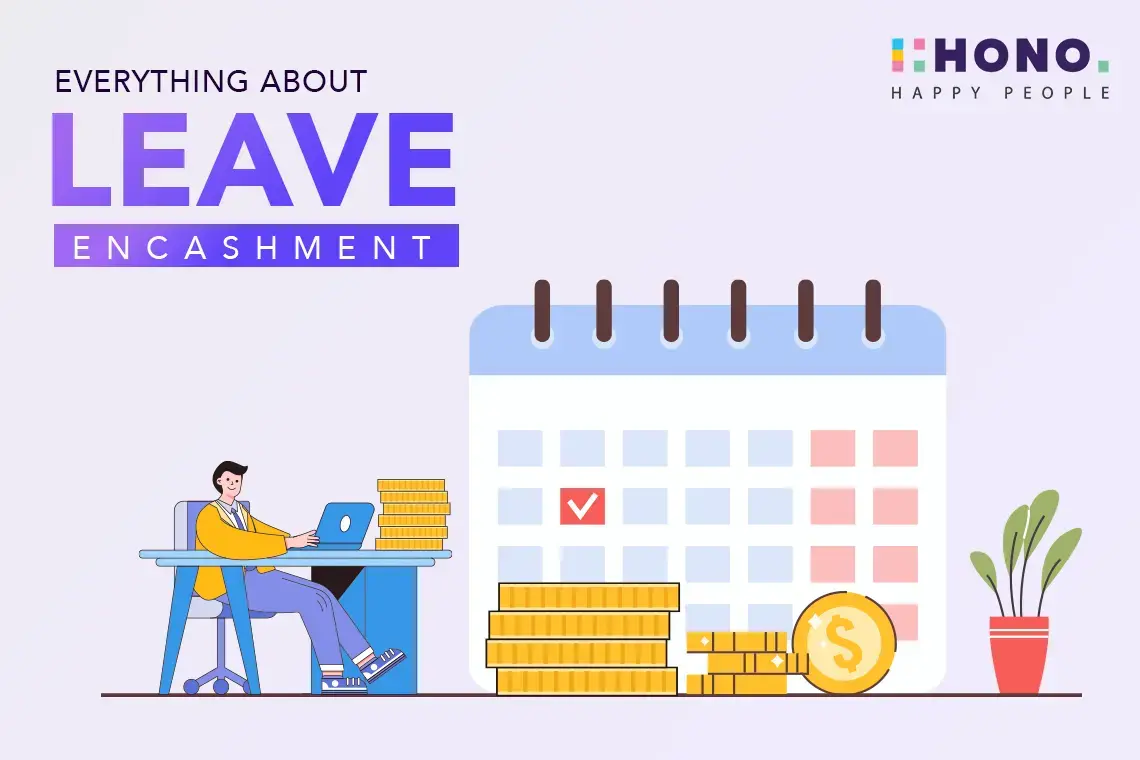
Leave encashment is a benefit that allows employees to convert their unused leave days into monetary compensation. When employees choose not to use their allocated time off, they can receive payment based on their current salary rate for those unutilized days. This practice recognizes employee commitment while providing financial flexibility—particularly valuable during employment transitions or year-end settlements.
The Role of Leave Encashment Policy
A well-structured leave encashment policy forms the backbone of transparent leave management. Organizations design these policies to reflect their unique operational requirements, workforce demographics, and compliance obligations. An effective policy clearly defines eligibility parameters, specifies which types of leave qualify for encashment, and establishes standardized calculation methodologies.
For HR teams leveraging AI-powered leave management systems, automated policy enforcement ensures consistency while reducing administrative burden. Both leadership and employees benefit from having clear, accessible documentation that removes ambiguity from the encashment process.
Read more: The Future of Leave Attendance Management
Types of Leave and Encashment Eligibility
Different leave categories carry distinct rules regarding encashment eligibility. Understanding these distinctions helps organizations design policies that balance employee benefits with operational sustainability.
1. Earned Leave (EL)
Earned leave—sometimes called annual leave or privilege leave—accumulates throughout an employee's tenure. Organizations typically grant a fixed allocation annually, which employees can use after providing advance notice. Most earned leave policies allow unused balances to roll over to subsequent fiscal years.
Encashment Status: Generally eligible for encashment, particularly during employment termination or retirement.
2. Sick Leave (SL)
Sick leave provides necessary coverage when employees face health challenges that prevent work attendance. Unlike earned leave, sick leave addresses unplanned absences and typically doesn't require advance scheduling.
Encashment Status: Typically non-encashable and expires at year-end, though policies vary by organization and jurisdiction.
3. Casual Leave (CL)
Casual leave offers flexibility for short-term personal needs without requiring detailed justification. This leave type supports work-life balance by acknowledging that employees occasionally need brief, unplanned time away from work responsibilities.
Encashment Status: Most commonly non-encashable and must be utilized within the designated time period.
Calculating Leave Encashment: The Standard Formula
Transparency in leave encashment calculations builds employee trust and simplifies HR administration. Most organizations follow a straightforward calculation method:
Leave Encashment Amount = Number of Unused Leaves × Per-Day Salary
Components:
- Unused Leaves: Total accumulated leave days eligible for encashment.
- Per-Day Salary: Monthly gross salary divided by applicable working days (typically 30 or actual working days per month).
Practical Calculation Example
Consider an employee with the following parameters:
- Unused earned leave balance: 10 days
- Monthly gross salary: $3,000
- Working days per month: 30
Calculation:
Per-Day Salary = $3,000 ÷ 30 = $100
Leave Encashment Amount = 10 days × $100 = $1,000
Modern HR technology platforms can automate these calculations, ensuring accuracy while providing real-time visibility into potential encashment amounts.
Read Here: Everything You Need to Know About Payroll
Leave Encashment Exemption: Navigating Tax Implications
Tax treatment of leave encashment significantly impacts the net benefit employees receive. Understanding leave encashment exemption rules helps both organizations and employees optimize financial outcomes.
Leave encashment exemption provisions allow employees to receive a portion of their encashment amount tax-free under specific circumstances. These exemptions typically apply to leave encashment received at retirement, resignation, or termination.
Critical Tax Considerations:
- Service Duration Impact: Exemption calculations often consider total years of service with the organization.
- Statutory Caps: Tax authorities establish maximum exemption limits that may be revised periodically.
- Timing Matters: Encashment during employment versus at separation may carry different tax treatments.
Strategic Recommendations for Stakeholders
For HR Leaders and Employers:
- Design Crystal-Clear Policies: Eliminate confusion by documenting comprehensive guidelines. Specify eligible leave types, calculation methodologies, and processing timelines.
- Promote Leave Utilization: While encashment provides financial benefits, actual time off supports employee wellbeing and prevents burnout.
- Leverage Technology: Modern platforms provide automated tracking and self-service capabilities that reduce administrative overhead.
For Employees:
- Monitor Your Leave Balance: Regularly review your leave account to understand available balances and potential encashment value.
- Understand Tax Implications: Familiarize yourself with how leave encashment will affect your tax liability, especially for substantial amounts.
- Prioritize Wellbeing: Remember that leave exists to support your health. The restorative benefits of actual time off are irreplaceable.
Conclusion
Leave encashment represents more than just a financial transaction—it's a reflection of how organizations value employee contributions and support workforce wellbeing. By implementing transparent policies, leveraging modern HR technology, and maintaining compliance with evolving regulations, organizations create environments where both business objectives and employee needs are effectively balanced.
See it live
Ready to see HONO in action?
Book a 20-minute demo tailored to your team's HR stack.
Request a demoAbout the author
Akanksha Shekhar
With over 9 years immersed in the world of content marketing for SaaS, Cloud, HRMS and multiple other industries, Akanksha Shekhar currently leads the content initiatives as Manager of Content Marketing. Her expertise lies in the art of bringing words to life, creating engaging narratives and technically sound pieces that are both catchy and deeply informative.