What is an HR Management System (HRMS)?
An HRMS (Human Resource Management System) is a comprehensive software solution designed to manage, automate, and optimize HR processes across the organization. Unlike traditional HR tools that focus on isolated functions, an HRMS acts as a centralized HR system that connects employee data, workflows, and analytics on a single platform.
A modern HRMS typically covers the full employee lifecycle; from recruitment and onboarding to payroll, performance management, learning, and compliance, while offering real-time access to HR data for both HR teams and employees.
Read Here:What is HRMS Software? Everything You Need to Know in 2025
.webp)
Why HRMS Software Features Matter for Modern Organizations
The effectiveness of an HRMS depends largely on its features and how well its HR modules work together. The right HRMS software features help organizations:
- Reduce manual and repetitive HR tasks through automation
- Improve accuracy in payroll, attendance, and complianc
- Enhance employee experience through self-service access
- Gain workforce insights using analytics and reports
- Scale HR operations as the organization grows
Instead of managing multiple disconnected tools, a unified HR system allows HR teams to operate efficiently while supporting business goals.
Also read: key characteristics of HRM
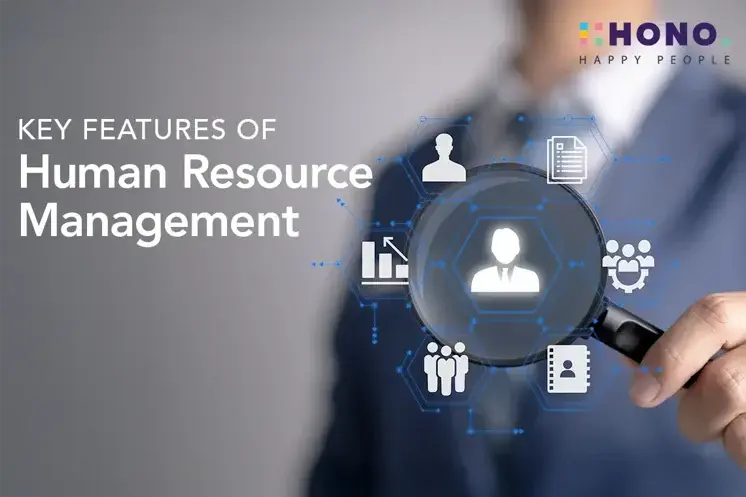
Key HRMS Software Features
Employee Database Management
Employee database management forms the foundation of any HRMS. This feature provides centralized, cloud-based storage for employee records, including personal details, job information, documents, and employment history.
With controlled access and real-time updates, HR teams can maintain accurate data while ensuring confidentiality and compliance across the organization.
Employee Self-Service Portal
An employee self-service (ESS) portal is one of the most widely used HRMS software features. It allows employees to manage routine HR tasks independently,such as:
- Applying for leave
- Viewing payslips
- Updating personal information
- Accessing company policies
This HRMS feature improves transparency, reduces HR workload, and encourages employee accountability within the HR system.
Payroll Management
Payroll management is a critical HRMS feature that automates salary calculations, tax deductions, bonuses, reimbursements, and arrears. By integrating payroll with attendance and leave data, an HRMS minimizes manual errors and ensures timely salary processing.
A centralized payroll module also supports statutory compliance and secure handling of sensitive financial data.
Time & Attendance Management
Time and attendance management is a dedicated HR module that tracks employee working hours, overtime, shift patterns, and attendance status. Modern HR systems support biometric devices, web-based check-ins, and mobile attendance, making them suitable for on-site, remote, and hybrid teams.
Accurate time tracking directly improves payroll accuracy and compliance with labor regulations.
Leave & Absence Management
Leave management automates the process of applying, approving, and tracking employee leave. Employees can request leave through the HR system, while managers gain visibility into team availability and leave balances.
Integrated with payroll and attendance, this HRMS feature ensures accurate leave accounting and eliminates manual follow-ups.
Workforce Management & Shift Scheduling
Workforce management focuses on planning and optimizing employee schedules based on business requirements. This HR module helps organizations manage shifts, allocate resources efficiently, and monitor workforce utilization.
When combined with attendance and leave data, workforce management enables better operational planning and productivity control.
Advanced HRMS Modules That Drive Long-Term Growth
Recruitment & Applicant Tracking (ATS)
Recruitment is a core HRMS software feature that streamlines hiring activities such as job postings, resume screening, interview scheduling, and candidate communication. An integrated applicant tracking system (ATS) helps HR teams manage talent pipelines and reduce time-to-hire.
Some HR systems also support job board and social platform integrations, improving candidate reach.
Employee Onboarding & Induction
Employee onboarding sets the tone for a new hire’s experience. An HRMS simplifies onboarding through digital checklists, document uploads, policy acknowledgments, and task assignments.
Automated onboarding reduces administrative effort while ensuring new employees are productive from day one.
Performance & Talent Management
Performance management helps organizations align individual goals with business objectives. This HRMS feature supports goal setting, continuous feedback, performance reviews, and appraisal cycles.
When combined with talent management, it enables organizations to identify high-potential employees and plan long-term workforce development.
Learning, Development & Skill Management
Learning and development modules support employee growth through structured training programs, skill development plans, and certifications. HRMS software allows HR teams to track learning progress, assess skill gaps, and align training initiatives with performance outcomes.
This HR module plays a key role in building a future-ready workforce.
Succession Planning
Succession planning ensures continuity in critical roles by identifying employees with growth potential and preparing them for future leadership positions. HRMS platforms support succession planning through performance data, competency mapping, and career path tracking.
This feature helps organizations reduce dependency risks and plan proactively for leadership transitions.
HR Analytics & Workforce Insights
HR analytics transforms HR data into actionable insights. This HRMS software feature provides dashboards and reports on workforce trends, productivity, attrition, attendance, and engagement.
With data-driven insights, HR leaders can make informed decisions and align HR strategies with organizational goals.
Compliance Managemen
Compliance management ensures adherence to internal policies and region-specific labor laws. A robust HR system helps track statutory requirements, maintain audit trails, and generate compliance reports with minimal manual effort.
This HR module is especially important for organizations operating across multiple locations.
Data Security & Access Control
HRMS platforms handle sensitive employee and payroll data, making data security a top priority. Role-based access control, secure cloud infrastructure, and audit logs help protect information while ensuring authorized access across teams.
Which HRMS Software Features are the Most Important?
While the needs of every organization differs, some HRMS software features are universally critical. These include a centralized employee database, employee self-service, payroll and attendance management, compliance support, and reporting capabilities.
The most effective HR system is the one that integrates essential and advanced HR modules into a single, scalable platform that grows with the organization.
Final Thoughts: Choosing the Right HRMS Software
An HRMS is no longer just a support tool for HR teams, it has become a strategic HR system that connects people, processes, and performance across the organization. The right combination of HRMS software features can streamline operations, improve compliance, and enhance employee experience at every stage of the lifecycle.
When evaluating HRMS solutions, organizations should focus on how cohesively can different HR modules work together, how adaptable the system is to growth, and whether it provides meaningful insights rather than just operational data.
HONO as a platform, follows this integrated approach by bringing essential and advanced HRMS features into a unified, cloud-based HR system. By combining automation, compliance readiness, and workforce intelligence, such platforms help organizations move toward structured, scalable, and future-ready people management.
Book a Demo Now!
Frequently asked
FAQs
See it live
Ready to see HONO in action?
Book a 20-minute demo tailored to your team's HR stack.
Request a demoAbout the author
Akanksha Shekhar
With over 9 years immersed in the world of content marketing for SaaS, Cloud, HRMS and multiple other industries, Akanksha Shekhar currently leads the content initiatives as Manager of Content Marketing. Her expertise lies in the art of bringing words to life, creating engaging narratives and technically sound pieces that are both catchy and deeply informative.