What Is a Recruitment Management System?
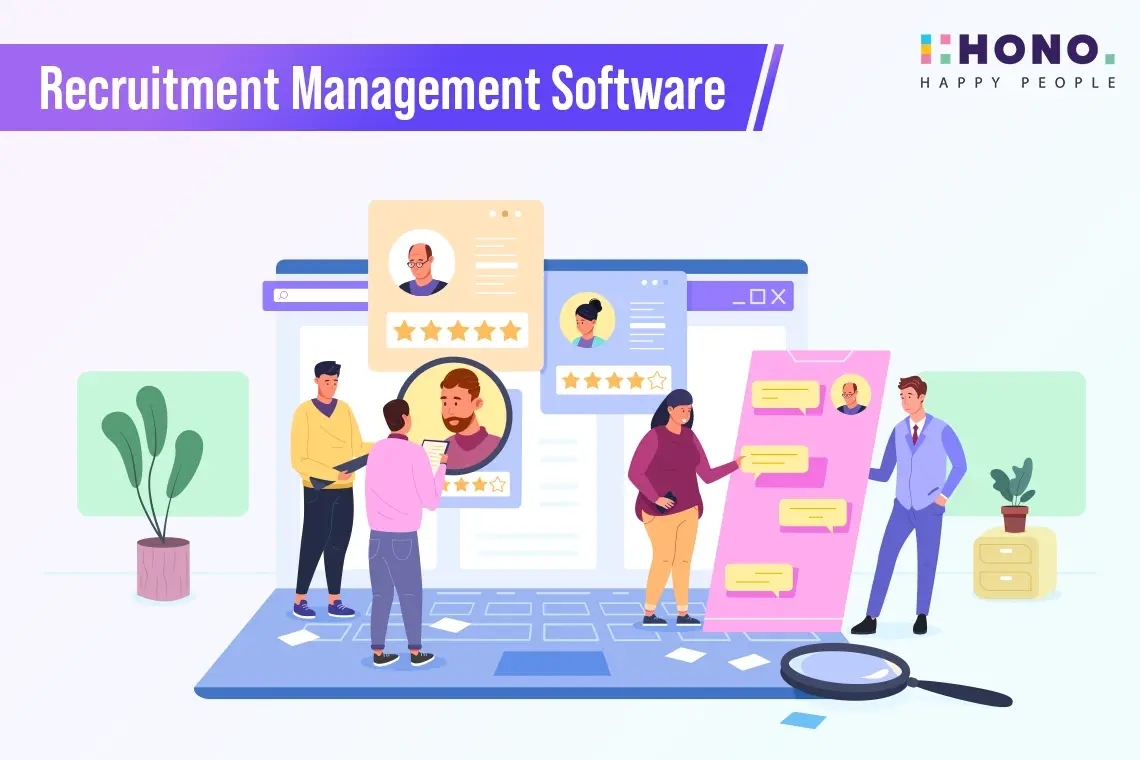
A recruitment management system is a recruitment software solution designed to manage the entire hiring journey; from job posting and candidate sourcing to interview scheduling and onboarding.
Instead of juggling spreadsheets, emails, and multiple tools, recruiters can use a single platform to:
- Collect and track applications
- Screen and shortlist candidates
- Coordinate interviews
- Collaborate with hiring managers
- Complete offer and onboarding formalities
By automating repetitive tasks, a recruitment management software helps HR teams focus on what truly matters: finding and hiring the right talent.
Why Do Recruiters Need a Recruitment Management System?
Recruiters often work under tight deadlines while managing large volumes of applications and coordinating with multiple stakeholders. Managing this manually can lead to delays, errors, and poor candidate experience.
Here’s why recruiters rely on a recruitment management system:
Centralised Candidate Management
All resumes, applications, and candidate details are stored in one place. Advanced filters make it easy to search, shortlist, and track candidates throughout the hiring funnel.
Smarter, Data-Driven Hiring Decisions
Built-in reports and analytics provide real-time insights into hiring performance, source effectiveness, and recruiter productivity, supporting more informed decisions.
AI-Powered Candidate Matching
Modern recruitment software uses AI to match candidates with open roles based on skills, experience, and job requirements. This reduces manual resume screening and highlights top talent instantly.
Better Experience for Employers and Candidate
A unified platform improves collaboration between recruiters and hiring managers, benefiting candidates from simplified applications, timely updates, and transparent communication.
Compliance and Documentation Support
A recruitment management system helps maintain records, track communication, and comply with labour laws, data privacy standards, and internal hiring policies.
How Does a Recruitment Management System Work?
A recruitment management system acts as the engine behind efficient hiring. Here’s how the process typically flows:
Job Posting
Recruiters can publish jobs across multiple platforms; company career pages, job boards, and social media, from a single dashboard.
Application Tracking
All applications are automatically collected and organised in a central system. Recruiters can filter candidates by skills, experience, location, or role requirements.
Learn more about application tracking system.
Resume Parsing and Matching
AI-powered resume parsing analyses applications and matches profiles against job descriptions, highlighting the most relevant candidates and saving screening time.
Interview Scheduling
The system schedules interviews, syncs calendars, sends automated emails, and keeps candidates informed at every stage.
Evaluation and Feedback
Interviewers can submit structured feedback, ratings, and assessments directly within the recruitment management system, ensuring transparency and consistency.
Reports and Analytics
Recruiters can generate reports on hiring sources, time-to-hire, diversity metrics, and funnel bottlenecks to continuously improve recruitment strategies.
Offer Management and Onboarding
Recruitment management system generates offer letters, manages approvals, and initiates onboarding workflows. This enablessending documentation requests, scheduling orientation, and alerting internal teams.
Discover the Best Recruitment Software for Your EnterpriseFeatures and Benefits of a Recruitment Management System
A recruitment management system offers a wide range of features that simplify and accelerate hiring:
- Bulk job posting across job boards, career pages, and social platforms
- Integrated ATS for tracking and managing applications
- AI-driven resume parsing and candidate matching
- Automated interview scheduling and feedback workflows
- Centralised document management and compliance tracking
- Detailed recruitment reports to support smarter hiring decisions
These features, combined, reduce manual effort, improve hiring accuracy, and enhance overall recruitment efficiency.
Final Thoughts
Choosing the right recruitment management system isn’t just a software upgrade, it’s a strategic move that transforms how organisations attract, evaluate, and hire talent. Whether you’re a growing business or a large enterprise, recruitment software helps your HR team work faster, smarter, and more collaboratively.
If you’re looking to optimise your recruitment journey, HONO offers a smart and scalable recruitment management system designed to simplify hiring and elevate your HR operations.
It’s time to upgrade, enhance, and future-proof your recruitment process with the right Recruitment Management System. Book a Demo Today!
Related Articles: 10 Best Enterprise Recruitment Management Software in 2026See it live
Ready to see HONO in action?
Book a 20-minute demo tailored to your team's HR stack.
Request a demoAbout the author
Akanksha Shekhar
With over 9 years immersed in the world of content marketing for SaaS, Cloud, HRMS and multiple other industries, Akanksha Shekhar currently leads the content initiatives as Manager of Content Marketing. Her expertise lies in the art of bringing words to life, creating engaging narratives and technically sound pieces that are both catchy and deeply informative.