What is Attendance Management System?
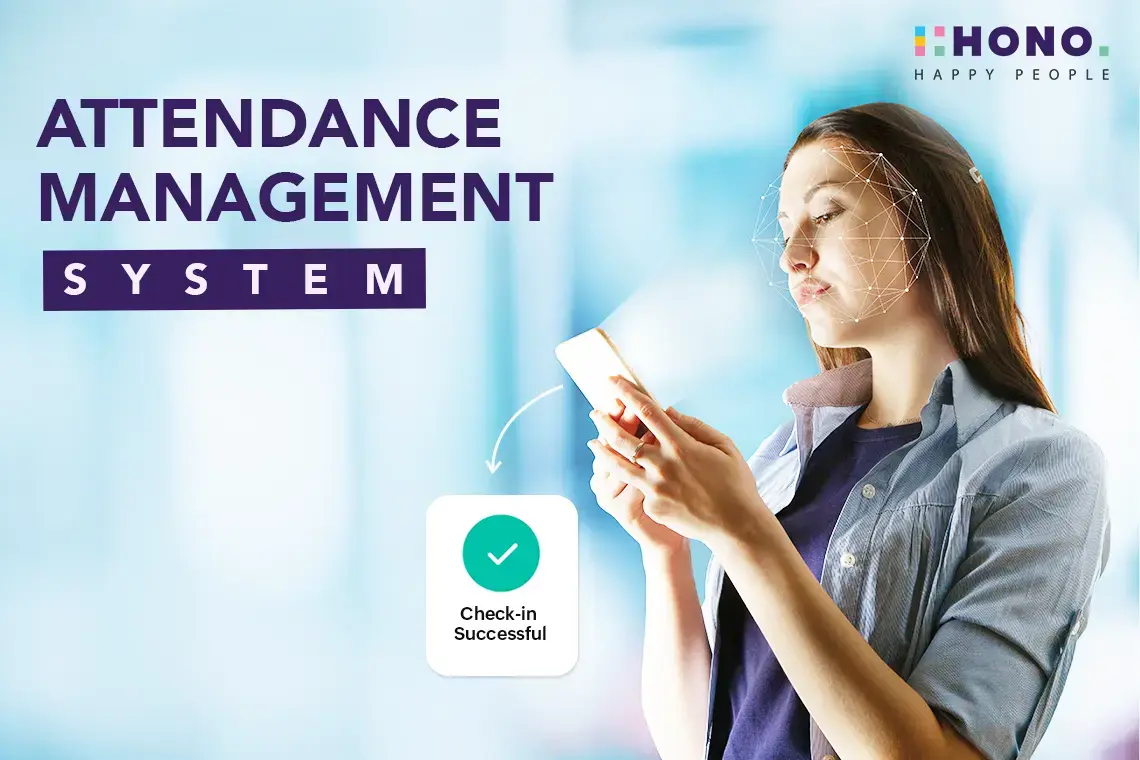
An Attendance Management System is a digital solution designed to track employee attendance, working hours, shifts, and schedules in a structured way.
Instead of using paper registers, spreadsheets, or verbal confirmations, businesses use software to automatically capture attendance data. This includes clock-in and clock-out times, overtime, absences, and leave balances.
Modern attendance management system helps organizations:
- Track daily attendance and working hours
- Monitor punctuality and shift compliance
- Manage leave and overtime
- Generate reports for payroll and audits
- Improve workforce efficiency with real-time insights
Most systems today are built as cloud-based attendance systems, meaning data is stored securely online and can be accessed from anywhere - making them ideal for remote, hybrid, and distributed teams.
Why is an Attendance Management System Important?
Using a digital system to manage attendance is no longer just about convenience. It directly impacts business performance, compliance, and employee trust.
Here are the key reasons companies invest in attendance management software:
Payroll Accuracy and Leave Management
Attendance data feeds directly into payroll. A reliable system tracks working hours, overtime, and leaves accurately, helping ensure employees are paid correctly and on time. This also reduces payroll disputes and manual adjustments.
Many organizations combine attendance tracking with the best leave management software to manage holidays, sick leave, and approvals from one platform.
Time and Cost Efficiency
Automating attendance and leave processes saves HR teams hours of manual work every month. This gives them more time to focus on strategic initiatives like employee engagement and workforce planning.
Geo Tracking and Real-Time Reporting
Modern systems often include GPS and geo-fencing features. These are especially useful for field staff, remote employees, and hybrid teams. Managers can view attendance in real time, improving transparency and accountability.
Centralized Data and Paperless Operations
Most attendance platforms today are cloud-based time and attendance systems. This means all data is stored centrally, reducing paperwork, minimizing errors, and making reporting much easier across departments.
Legal Compliance and Audit Readiness
Accurate attendance records help organizations comply with labor laws related to working hours, overtime, and leave policies. A digital trail also supports audits and protects businesses from disputes or compliance risks.
"Looking for the Best Attendance Management Software ? Check out the Attendance Management Software".
What are the Various Types of Attendance Management Systems?
Attendance management systems have evolved over time. Today, businesses can choose from several models depending on their needs:
1. Manual Attendance Systems
Traditional methods such as registers, punch cards, or spreadsheets. These may work for very small teams but are prone to errors and don’t scale well.
2. Biometric Attendance Systems
These systems use fingerprints, facial recognition, iris scans, or voice identification. Commonly used in factories, offices, healthcare, and high-security environments where accurate identity verification is critical.
3. RFID- Based Attendance Systems
Employees use RFID cards or tags to check in and out. This method is popular in corporate offices and educational institutions for quick access-based tracking.
4. Web-Based Attendance Systems
Cloud-based platform is what defines Web-Based Attendance Systems, these are easily accessible through a browser or an application. This system works like a well-oiled machine for teams and enterprises that have a remote or hybrid work environment.
5. Mobile or GPS-Based Attendance Systems
If an organization intends to include details like location and time in your tracking system, then, using Mobile or GPS based attendance systems will be ideal. These applications have GPS or geofencing indicators to help align the tracking system.
Final Thoughts
We’re living in an era of automation, analytics, and data-driven HR decisions. Attendance is no longer just about marking presence, it directly affects payroll accuracy, compliance, and workforce productivity.
By choosing the right attendance management system, businesses can:
- Reduce manual effort
- Improve payroll reliability
- Support remote and hybrid teams
- Gain actionable workforce insights
- Stay compliant with labor regulations
If you’re looking for a broader HR solution that includes attendance along with payroll, employee records, and analytics, HONO offers integrated systems that help simplify daily HR operations while supporting long-term growth.
Related Articles: Top 7 HR Software for Blue-Collar and Field Workers in 2026Frequently asked
FAQs
See it live
Ready to see HONO in action?
Book a 20-minute demo tailored to your team's HR stack.
Request a demoAbout the author
Akanksha Shekhar
With over 9 years immersed in the world of content marketing for SaaS, Cloud, HRMS and multiple other industries, Akanksha Shekhar currently leads the content initiatives as Manager of Content Marketing. Her expertise lies in the art of bringing words to life, creating engaging narratives and technically sound pieces that are both catchy and deeply informative.