Defining Privilege Leave: What Does PL Actually Mean?
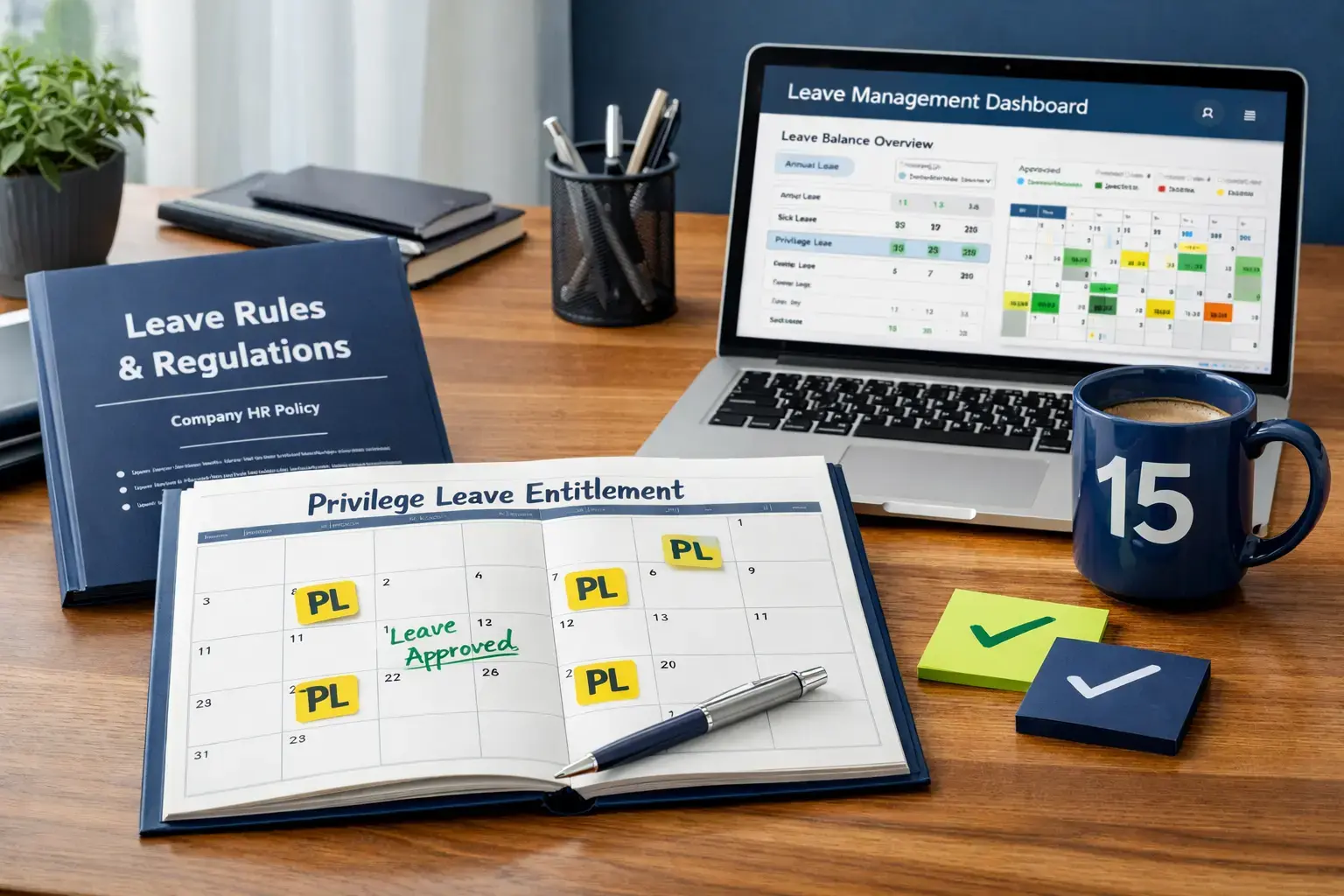
Privilege leave is a compensated time-off benefit that employees accumulate through consistent service at an organization. This leave type typically begins accruing after employees complete either one month or one full year of continuous employment, depending on company policy and applicable regulations.
Employees can leverage their PL for numerous purposes—planned vacations, personal appointments, family commitments, or simply to recharge and prevent burnout. What distinguishes privilege leave from other leave categories is its earned nature: it's not an immediate entitlement but rather a benefit that grows with your tenure.
From an organizational perspective, privilege leave serves dual purposes. It promotes employee wellness and work-life integration while remaining compliant with labor legislation and internal HR policies. Many organizations offer flexibility with unused privilege leave, allowing employees to either carry forward their balance to subsequent years or convert it to cash compensation based on established guidelines.
Read: Type of Leave in India
Regulatory Framework: Laws Governing Privilege Leave in India
Understanding the legal landscape surrounding privilege leave is essential for both HR professionals and employees. In India, PL regulations are shaped by multiple legislative sources:
- The Factories Act, 1948: Establishes foundational leave entitlements for factory workers and manufacturing sector employees.
- State-Specific Shops and Establishment Acts: Each state maintains its own legislation defining leave benefits for commercial establishments.
- Organizational Standing Orders: Companies create internal policies that detail privilege leave accrual, utilization, and encashment procedures.
The Ministry of Labour and Employment provides authoritative guidance that helps organizations structure their privilege leave policies while ensuring compliance. For HR teams leveraging AI-powered leave management systems, understanding these regulatory nuances is crucial for automating compliant workflows.
Who Qualifies for Privilege Leave?
Eligibility for privilege leave typically hinges on completing a minimum service requirement. Most organizations set this threshold at either 240 working days or one complete year of continuous employment.
The standard accrual formula grants one day of PL for every 20 days of active service. However, these parameters can vary based on:
- Applicable state labor laws in your region
- Industry-specific regulations
- Individual company policies and employment contracts
- Organizational size and structure
HR departments utilizing advanced analytics can track these eligibility milestones automatically, ensuring employees receive their entitled benefits without manual intervention.
How to Calculate Your Privilege Leave Balance
Calculating privilege leave becomes straightforward once you understand the underlying formula. Here's a practical breakdown:
- Standard Accrual Model: The most common approach awards one day of privilege leave for every 20 days worked, translating to approximately 1.5 days per month.
- Annual Accumulation: Under this model, an employee working a full calendar year (240+ working days) would typically earn around 15 days of PL annually.
- Carry Forward Provisions: Many organizations permit employees to roll over unused privilege leave to the following year, often with a maximum cap.
- Encashment Options: Some companies allow employees to convert unused PL into monetary compensation, subject to policy terms and tax implications.
Modern HR technology platforms automate these calculations, providing employees with real-time visibility into their leave balances while enabling HR teams to manage organizational leave liabilities effectively.
Best Practices for Using Your Privilege Leave
Effective utilization of privilege leave requires both planning and communication. Here's how to maximize this valuable benefit:
Strategic Planning
Since PL is designed for planned absences rather than emergencies, schedule your time off well in advance. Consider project timelines, team capacity, and business cycles when planning extended breaks.
Transparent Communication
Maintain proactive dialogue with your manager about upcoming leave plans. Early notification allows teams to redistribute workloads and ensures business continuity during your absence.
Policy Awareness
Thoroughly review your organization's specific guidelines regarding privilege leave—including application procedures, advance notice requirements, blackout periods, and carry-forward limitations.
Application Process
Most organizations require formal approval before taking PL. Submit your leave request through designated channels—whether traditional forms or digital HR management systems—adhering to established timelines.
AI-powered HR platforms streamline this process by enabling one-click applications, automated approval routing, and intelligent conflict detection to prevent scheduling overlaps.
Debunking Privilege Leave Myths
- Myth 1: Privilege Leave Equals Sick Leave: Reality: These are distinct leave types. Sick leave addresses health-related absences, while PL is meant for scheduled time off.
- Myth 2: Unused PL Expires Annually: Reality: Most organizations permit unused privilege leave to be carried forward or encashed according to policy terms.
- Myth 3: Only Senior Staff Receive PL: Reality: Privilege leave is available to all employees who satisfy the eligibility criteria, regardless of hierarchy.
- Myth 4: PL Can Be Taken Without Approval: Reality: Privilege leave typically requires advance approval from management to ensure proper workforce planning.
Why Privilege Leave Matters in Modern Workplaces
Grasping the nuances of privilege leave empowers both employees and employers to create healthier, more productive work environments. For employees, understanding your PL entitlements enables better personal planning and work-life harmony. For HR leaders, effective administration demonstrates commitment to employee welfare while maintaining operational efficiency.
As workplace dynamics continue evolving—with remote work and AI-driven HR systems—staying informed about leave types like privilege leave becomes increasingly important. Organizations that leverage technology to simplify leave management create better employee experiences while reducing administrative burden.
Action Steps for Managing Your Privilege Leave
- Review Company Policy: Examine your organization's privilege leave guidelines thoroughly, noting accrual rates and restrictions.
- Plan Strategically: Map out your desired time off early in the year, aligning personal needs with business requirements.
- Maintain Communication: Keep your manager informed about leave intentions to facilitate smooth coverage arrangements.
- Track Your Balance: Monitor your accrued PL regularly through HR self-service portals to optimize utilization.
- Understand Encashment Rules: Familiarize yourself with conditions under which unused privilege leave can be converted to cash.
By implementing these practices, you'll navigate privilege leave effectively while contributing to a workplace culture that values both productivity and personal wellbeing.
Frequently asked
FAQs
See it live
Ready to see HONO in action?
Book a 20-minute demo tailored to your team's HR stack.
Request a demoAbout the author
Akanksha Shekhar
With over 9 years immersed in the world of content marketing for SaaS, Cloud, HRMS and multiple other industries, Akanksha Shekhar currently leads the content initiatives as Manager of Content Marketing. Her expertise lies in the art of bringing words to life, creating engaging narratives and technically sound pieces that are both catchy and deeply informative.