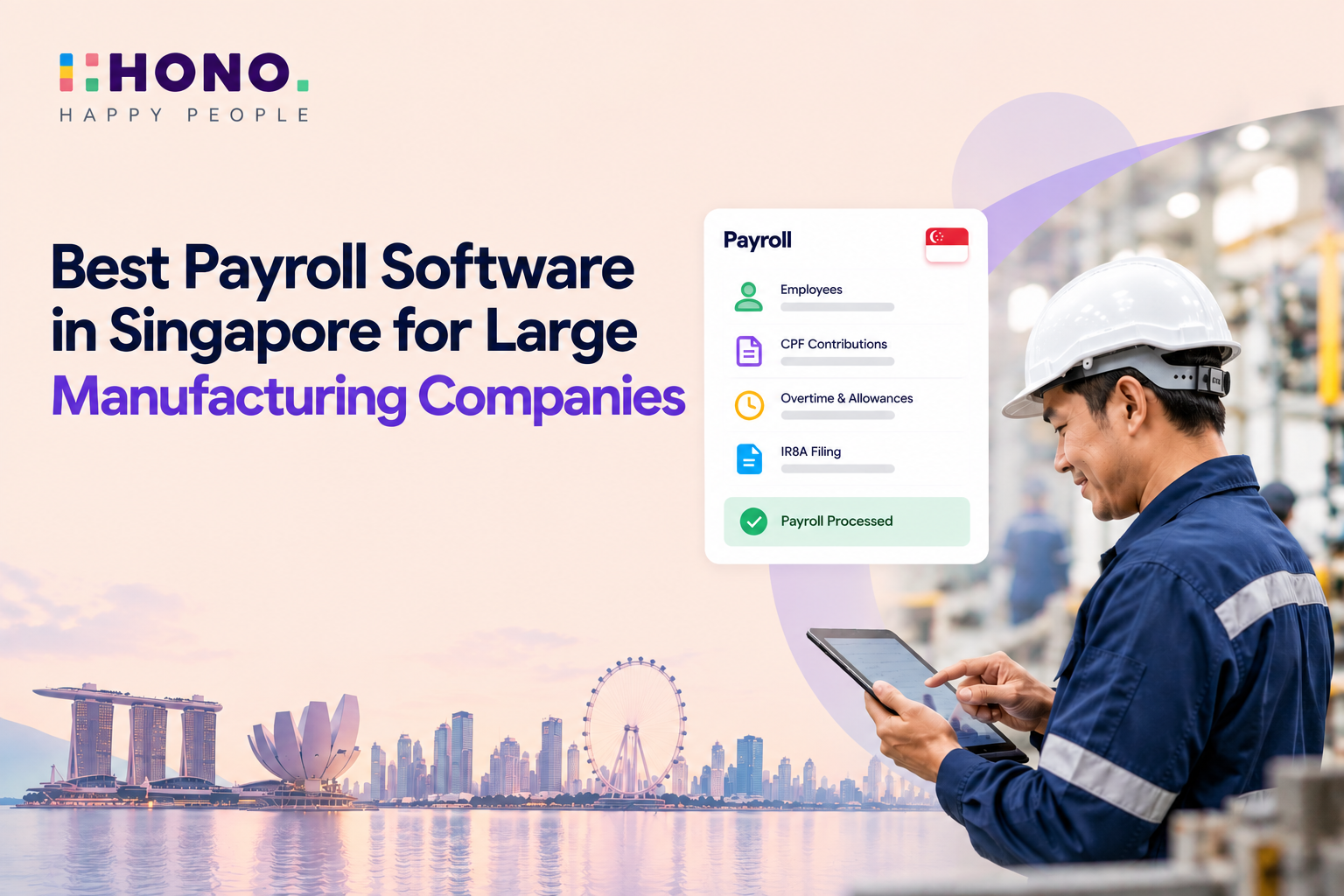

Understanding Payroll Software
Before diving into the selection process, it’s essential to understand what payroll software is and how it can benefit your organization. Payroll software automates the payment process for employees, including calculating wages, withholding taxes, managing deductions, and ensuring compliance with labour laws. Many of the top payroll software in UAE solutions also support WPS compliance, Salary Information File (SIF) generation, and seamless integration with HR and attendance systems. By leveraging technology, businesses can avoid costly mistakes, reduce administrative workload, and save valuable time.
Why Choosing the Right Payroll Software Matters
According to Gartner’s 2024 Market Guide for Multicountry Payroll Solutions, organizations are increasingly looking for solutions that blend local needs with global operations. Moreover, McKinsey’s 2024 Global Payments Report indicates that integrating digital and AI tools can significantly enhance payroll efficiency. In a world where regulations and technologies are constantly evolving, making an informed decision about payroll software is more important than ever.
Step 1: Assess Your Business Needs
Evaluate Your Organization Size and Complexity
Before exploring the myriad of payroll software options, take a moment to assess your organization’s unique requirements. Consider factors such as:
- Size of Your Organization: Are you a small business or a large enterprise? The complexity of your payroll needs often correlates with the size of your workforce.
- Payroll Complexity: Do you have employees in multiple states or countries? If so, you’ll need a solution that supports multi-country payroll.
- Specific Requirements: Think about any unique needs your business may have, like hourly vs. salaried employees, commission structures, or multiple pay frequencies.
Actionable Takeaway
Create a checklist of your payroll requirements to guide your search for software solutions.
Step 2: Research Available Options
Once you’ve identified your specific needs, it’s time to research the available payroll software solutions. Look for features that align with your checklist, such as:
- Automated Calculations: Ensure the software can automatically calculate wages, taxes, and deductions.
- Tax Filing Capabilities: Choose software that simplifies tax filing, reducing the risk of errors.
- Employee Self-Service Portals: These portals empower employees to access their payroll information, reducing inquiries to HR.
- Compliance Features: Look for software that automatically updates to reflect changes in local and federal regulations.
.png)
Industry Insight
Gartner emphasizes that companies should seek solutions that balance local needs with global operations. This is particularly important for businesses with remote teams or international employees.
Step 3: Evaluate User-Friendliness
A user-friendly interface is essential for ensuring that your HR team can efficiently manage payroll processes. When evaluating different payroll software options, consider the following:
- Intuitive Navigation: Opt for software that is easy to navigate without extensive training.
- Customization Options: Look for software that allows you to customize dashboards and reports to fit your organization’s needs.
- Mobile Accessibility: In today’s mobile-centric world, having a solution that can be accessed via mobile devices is a significant advantage.
Practical Tip
Request demos or trials of the software to assess user-friendliness firsthand. This will give you a better understanding of how well the software aligns with your team’s capabilities.
Step 4: Consider Integration Capabilities
Integration with other HR systems, such as time tracking and benefits administration, can significantly streamline your payroll processes. When choosing payroll software, ensure that it can seamlessly integrate with:
- Time and Attendance Systems: This reduces the need for manual data entry and minimizes errors.
- HR Management Systems: An integrated system enhances data accuracy and provides a holistic view of your workforce.
Expert Recommendation
McKinsey highlights that integration is critical for simplifying payroll processes. Software that can connect with existing systems can save your business time and reduce the risk of compliance issues.
Step 5: Review Support and Training Options
Reliable customer support and training resources are vital when implementing new payroll software. Evaluate the following:
- Availability of Support: Check if support is available 24/7 and through multiple channels (phone, chat, email).
- Training Resources: Look for comprehensive training materials, including tutorials and webinars, to help your team get up to speed quickly.
Building Trust
Choosing payroll software from a provider with a strong reputation for customer support can significantly reduce the stress of transitioning to a new system.
Step 6: Analyze Pricing Structures
Payroll software pricing can vary widely, so it’s essential to analyze the cost structures of the options you’re considering. Look for:
- Transparent Pricing: Ensure there are no hidden fees associated with the software.
- Scalability: Choose a solution that can grow with your business without incurring exorbitant costs.
- Trial Periods: Opt for providers that offer trial periods so you can test the software before making a long-term commitment.
Key Insight
Understanding the total cost of ownership helps you make a financially sound decision. Consider not just the upfront costs but also ongoing fees.
Step 7: Gather Feedback and Make a Decision
Once you’ve narrowed down your options, gather feedback from your HR team and other stakeholders. Their insights can be invaluable in making a final decision.
Actionable Takeaway
Create a side-by-side comparison chart of the payroll software options you’re considering. Include key features, pricing, and feedback from your team to make an informed choice.
Conclusion
Choosing the best payroll software for your organization is a significant decision that can impact your overall efficiency and compliance. By following this step-by-step guide, you’ll be well-equipped to evaluate your options and make a choice that meets your business needs in 2025 and beyond.
Remember, investing in the right payroll software is not just about technology; it’s about empowering your HR team and enhancing your organization’s growth potential. Take the time to assess your needs, research available options, and engage with stakeholders to ensure a successful transition to your new payroll solution.
If you’re looking for a comprehensive payroll solution that meets your unique requirements, consider scheduling a demo with us at HONO. Our platform is designed to simplify payroll processing and integrate seamlessly with your existing systems, ensuring your business operates smoothly and efficiently.
See it live
Ready to see HONO in action?
Book a 20-minute demo tailored to your team's HR stack.
Request a demo
About the author
Harshita Bhalla
Harshita Bhalla is an Assistant Manager - HR at HONO and a Certified HR Payroll Specialist with around 4 years of experience in HR operations, payroll, and employee lifecycle management. She has worked across domestic and international payroll functions and brings a detail-oriented, people-first approach to everything she does. Harshita is passionate about building efficient HR systems that support both people and business growth.