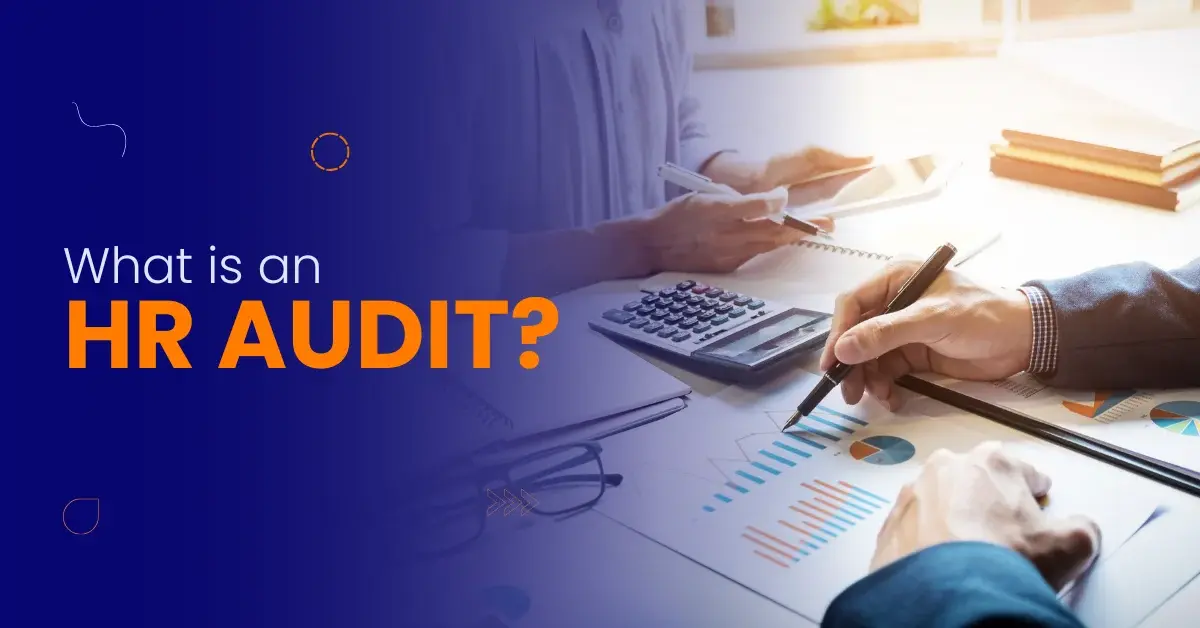
What Is an HR Audit?
An HR audit is a structured and systematic evaluation of your organization’s HR policies, processes, systems, and documentation. It helps organizations assess whether their HR function is compliant, efficient, and aligned with business objectives.
At its core, an HR audit answers a simple but critical question: Is your HR function truly supporting business growth, or is it creating hidden risks?
Expanded Perspective for Enterprise HR Leaders
In enterprise environments, HR operations are often distributed across multiple teams, regions, and systems. This increases the chances of inconsistencies, compliance gaps, and data silos. An HR audit helps bring standardization, visibility, and control.
It enables leadership to:
- Create uniform HR policies across locations
- Align HR processes with finance and legal frameworks
- Ensure audit readiness for investors or regulatory bodies
- Build a scalable HR infrastructure
Example: A company expanding into new geographies may unknowingly violate local labour laws due to outdated policies. An HR audit helps identify and fix these risks proactively, avoiding penalties and reputational damage.
Why HR Audit Is Important for Enterprises
HR audits are critical for enterprises because they operate in high-volume, high-risk environments where even small errors can have large-scale consequences.
1. Ensure Compliance & Reduce Legal Risk
Compliance is one of the biggest challenges for enterprise HR teams. An HR audit ensures that statutory deductions are accurate, employee classifications are legally correct, and documentation is complete. This reduces the risk of government penalties and legal disputes.
2. Improve HR Process Efficiency
Over time, processes can become inefficient due to manual interventions. An audit identifies bottlenecks in recruitment or payroll, helping organizations reduce turnaround time and lower operational costs.
3. Strengthen Employee Experience
Issues like delayed onboarding or incorrect payroll lead to attrition. An HR audit ensures payroll accuracy and transparent policies, which builds trust and improves employee engagement.
4. Enable Data-Driven HR Decisions
Modern HR leadership relies on data. An HR audit helps clean and validate HR data, improving HR analytics capabilities for better workforce planning.
5. Prepare for Organizational Scaling
As organizations grow, HR complexity increases. An audit ensures that processes are scalable and that systems can handle increased volume effectively.
Types of HR Audits
Enterprises often use a combination of these audits for complete coverage:
- 1. Compliance Audit: Focuses on adhering to labour laws and statutory filings.
- 2. Policy Audit: Evaluates if policies are up-to-date and relevant for hybrid work environments.
- 3. Process Audit: Reviews daily operations like recruitment and exit management to identify inefficiencies.
- 4. Strategic HR Audit: Aligns HR practices with long-term business strategy and talent management.
- 5. HR Technology Audit: Evaluates the effectiveness and security measures of HRMS and payroll software.
How To Conduct an HR Audit (Step-by-Step)
A structured approach ensures meaningful and actionable insights:
- Step 1: Define Audit Objectives: Clearly define goals like reducing costs or improving efficiency.
- Step 2: Identify Scope & Areas: Determine if it is a full audit or a focused review.
- Step 3: Collect HR Data & Documents: Gather employee records, payroll data, and contracts.
- Step 4: Evaluate Current Processes: Uncover operational inconsistencies.
- Step 5: Identify Gaps & Risks: Prioritize legal and financial risks.
- Step 6: Create an HR Audit Report: Provide a clear action plan for leadership.
- Step 7: Implement Improvements: Update policies and automate processes.
- Step 8: Monitor & Repeat: Move toward continuous monitoring.
Free HR Audit Checklist (Expanded)
A structured checklist ensures no critical area is missed:
1. HR Compliance Checklist: Form the backbone of HR governance.2. Recruitment Audit Checklist: Align hiring with business needs.
3. Payroll Audit Checklist: Verify payroll accuracy.
4. Employee Records Checklist: Securely store accurate data.
5. Performance Management Checklist: Ensure fair systems.
6. HR Policy Checklist: Communicate updated policies.
7. HR Technology Checklist: Evaluate system integration.
Common HR Audit Mistakes to Avoid
Avoid treating the audit as a one-time activity. Lack of ownership and ignoring employee experience are major pitfalls. Avoiding these ensures the audit delivers real business value.
How HR Tech Simplifies HR Audits
HR technology plays a crucial role by automating data collection. With the right HRMS, organizations can centralize data, automate compliance tracking, and generate audit-ready reports in real time.
Future of HR Audits: AI & Automation
The future is continuous monitoring. AI-powered systems can detect payroll anomalies and predict compliance risks, shifting the audit from reactive problem-solving to proactive risk management.
Final Thoughts
An HR audit is about building a resilient and efficient HR function. For enterprise leaders, it provides better governance, improved ROI, and confidence in compliance.
Frequently asked
FAQs
See it live
Ready to see HONO in action?
Book a 20-minute demo tailored to your team's HR stack.
Request a demo
About the author
Mazna Majeed
Mazna is a strategic HR leader with over 10 years of experience driving talent success and organizational growth. As Head of Talent Acquisition and Operations at HONO, she leads HR initiatives across India and South-East Asia, including manpower planning, employee lifecycle management, talent development, engagement, and retention. Mazna is known for aligning people strategy with business goals, building inclusive high-performing teams, and strengthening culture to enable sustainable growth.