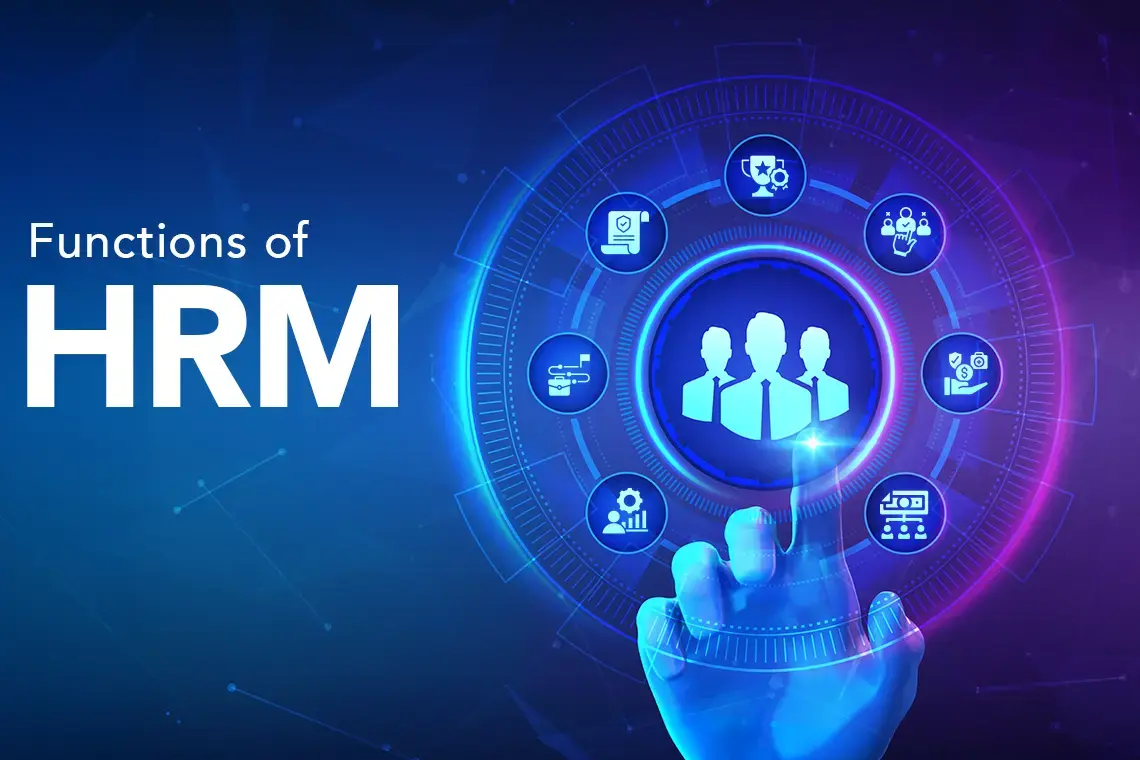
What are the Functions of Human Resource Management?
From managing regular HR tasks, handling employee queries, focusing on hiring and onboarding, and looking after organization’s long-term employee vision are some functions amongst others. An HR’s job is never limited to a single task!
That's where HRM comes into picture. Listed below are the major Human Resource functions which can let your HR focus on organizational goals rather than keeping pace with the regular shortcomings.
Consider this as the foremost function which involves planning organization’s staffing requirements and developing the right set of strategies to stay streamlined. Human resource planning helps an HR in analysing the workforce capabilities, managing the number of people who will soon be retired and ensure the business never lacks the pace. This efficiently help the organization in managing resources, saving from instant resource scarcity and aligns the resources with the ultimate vision of the organization.
- Career Planning
HRM isn’t just limited to maintaining organization’s well-being, it looks after employee welfare as well. The HR supports employees in mapping their career path efficiently within the organization, identifying growth opportunities, offering one-on-one mentorship sessions and even facilitating in internal role/department switching. This creates a harmonious employer-employee environment and helps boosting employee retention and motivation.
- Recruitment and Selection
Another imperative human resource function is recruitment and screening/selection of the candidate. It focuses on finding, screening and hiring the most suitable candidates through conducting interviews, ensuring a fair and immersive hiring process and lets the candidates maintain transparency. This ensures smart recruitment facilitates in building a stronger and more empowered workforce.
- Performance Management
Managing employee performance is directly related to employee satisfaction, consider performance management as one of the most important functions in the HRM cycle. The system includes monitoring and improving employee performance through initiating periodic feedback, setting clear goals, conducting regular interviews and manager interactions. The process is aimed to setup defined goals between the employee and the organization and letting it stay in line with the long-term objectives, with a fair validation of individual efforts.
- Learning and Development
This is the ultimate ongoing process which lets the employee have a continuous learning cycle. Under this, the HR identifies gaps between employee learning and skills to suggest the right training program to enhance employee capabilities. This isn’t just limited to making theoretical material available, it brings in other comprehensive methods like workshops, e-learnings, leadership development, and webinar-based trainings outsourced from multiple educational forums.
- Rewards and Recognition
Recognizing an employee for their excellent contribution is not a mere announcement, it is a motivation booster which fosters the employee to do better and stay dedicated to the organization in the longer run. A smart HRM platform helps in valuing, highlighting and rewarding employee contribution in context of the organization. They are often classified as shout outs, company/department wide announcements, rewards, promotions and regular bonuses. It helps in strengthening a happier and healthier work culture which emits positivity and strength.
- Personal Wellbeing
Letting the employees feel positive and emotionally seen at work is a huge differentiator in boosting employee wellness and motivation in the longer run. An HRM platform can be a great help in conducing counselling services, initiating flexible working options and even managing work stress in the best way possible. Personal well-being programs help in boosting a smarter and healthier mindset at work, reducing churn-rate and employee burnout.
- Compensation and Benefits
Everything zeroes down to a fair compensation and the kind of benefits attached to the process. An HR generally ensures that each employee is being paid fair and up to the industry standards. Alongside having a sorted salary structure also helps in getting compensation clarity, avoiding later disappointments which can eventually be the major reason for employees to opt out of an organization.
- Policy Formulation
- Employee Engagement
Engaging employees also holds a fair importance as the HR is focused on creating a feeling of belongingness amongst the employees. This can be efficiently done through open communication, initiating smart feedback loops, and by conducting team building activities which do not just brings a break in the monotony but create a harmonious and healthy environment at work. Employee engagement options also include monthly recognition programs; bonuses based on positive attitude to boost employee morale and foster happier faces at work.
- Compliance
Nothing goes well without adhering to compliance. An HRM platform ensures that the laws, legal implications, industry regulations and ethical standards are being met. Employees should follow the legal guidelines which are either mentioned in the contract/agreement signed during the time of onboarding. Maintaining compliance protects the organization from any possible legal risks and helps in encouraging fairness across all levels.
- Administrative Responsibilities
Lastly, admin tasks also occupy a lot of HR bandwidth, these responsibilities include tasks like employee record maintenance, payroll processing, managing the HR software and initiating internal communications – all at once. Leveraging a well-equipped HRM software helps in ensuring a smooth regular HR operations functioning and managing day-to-day operations with accuracy.
Read Here: 5 Best HRMS Software in India
What is the Importance of Human Resource Management?
Human resource management serves a critical purpose and acts as a strategic engine which drives organizational success through aligning the right kind of people with the most suitable work genre.
HRM focuses on encouraging a positive and inclusive work environment which helps the employees in adapting to a positive work culture, promoting employee engagement and offering career building opportunities while being associated with an organization. It effectively helps in aligning the HR strategy to the business goals, recruit the right talent, significantly reduce employee turnover, foster smarter employee engagement and maintaining operational efficiency all at the same time.
Additionally, HRM could be the right choice to reduce the burden on the HR team and let them have their focus dedicated to the organization’s future strategies, succession planning, resource management, long term vision and the areas which deserve more attention.
Also read: characteristics of human resource management
Conclusion
Together the functions of HRM becomes the backbone of a highly effective human resource management which isn’t just a crucial aspect in the day-to-day operations but, an equally important aspect to keep the focus on for long-term vision. Look for the HRM that can help you ease regular HR operations and bring in the best possible features to streamline every facet of HR day-to-day tasks.
To get you started, HONO is the right choice. It provides you with ATS based candidate screening, AI-driven approach to filter data, Pulse based regular employee satisfaction surveys, Absenteeism Management and more.
Ready to elevate your HRM to the next level? Get started with HONO and be at the top of your HR operations!
Frequently asked
FAQs
See it live
Ready to see HONO in action?
Book a 20-minute demo tailored to your team's HR stack.
Request a demo
About the author
Neha Sinha
Neha Sinha is a Talent Acquisition Lead at HONO with around 9 years of experience in HR and recruitment. She specializes in data-driven hiring, HR analytics, and strategic talent management, and has worked with organisations like CarDekho (Girnar Group) and American Cyber Systems. She is passionate about building high-performing teams, aligning people strategy with business goals, and mentoring aspiring HR professionals.