What is an Attendance Management System?
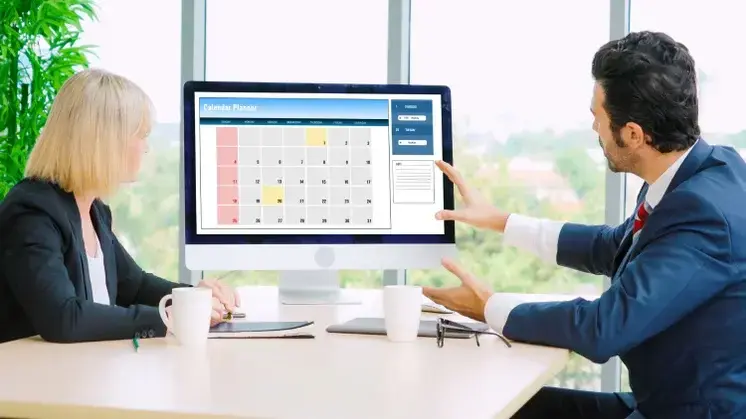
An attendance management system (AMS) is a digital solution designed to accurately track and manage employee attendance, leaves, shifts, and absenteeism. Gone are the days of manual tracking using paper forms or cumbersome spreadsheets. With an AMS, organizations can benefit from automated, real-time tracking, enhancing workforce management efficiency significantly.
Read here: Attendance Management System: A Comprehensive Guide
Why Use an Attendance Management System?
By implementing an AMS, companies can:
- Improve accuracy in tracking attendance.
- Reduce administrative workload for HR teams.
- Increase transparency and accountability among employees.
- Ensure compliance with labor laws regarding working hours and leave management.
Key Features of an Attendance Management System
To help you choose the right attendance management system, here are the top features you should look for:
1. Payroll Integration
One of the standout features of an attendance management system is its ability to integrate seamlessly with payroll systems. This integration ensures that attendance data is accurately synced, allowing for precise calculations of salaries, overtime, and leave deductions.
Example: Imagine an employee who worked 6 hours of overtime and took 3 unpaid leave days. An effective AMS would automatically adjust the payroll to reflect these changes without requiring any manual input.
2. Real-Time Attendance Tracking
Having the capability to monitor employee check-in and check-out times in real-time is crucial. An AMS provides various options for attendance logging, including biometric devices, mobile applications, and web portal logins.
3. Leave Management
A comprehensive AMS simplifies leave management by allowing employees to request time off through the system. HR can easily approve or deny requests, track leave balances, and ensure compliance with company policies.
Actionable Tip: Implement a clear leave policy within the AMS to enhance transparency and ensure employees understand how leave is accrued and utilized.
4. Shift Scheduling
Efficient shift scheduling is essential for businesses with a multi-shift workforce. An AMS can automate the scheduling process, helping HR manage employee shifts effectively and reduce scheduling conflicts.
5. Reporting and Analytics
A powerful AMS provides robust reporting and analytics features that allow HR teams to generate insightful reports on attendance trends, employee performance, and labor costs. These reports can guide strategic workforce decisions.
6. Mobile Accessibility
In our increasingly mobile-centric world, having an AMS that offers mobile access can significantly improve user experience. Employees can check their attendance, request leave, and view schedules directly from their smartphones.
7. Customization Options
Every organization has unique needs, and a one-size-fits-all solution may not be effective. Look for an AMS that allows for customization to fit your specific business processes and policies.
8. Compliance Management
Compliance with labor laws is critical. A robust attendance management system helps ensure that your business adheres to regulations regarding working hours, overtime, and leave entitlements, reducing the risk of legal issues.
9. Employee Self-Service Portal
An employee self-service portal empowers staff to manage their own attendance records, view schedules, and request leave. This not only increases transparency but also reduces the administrative burden on HR.
10. Integration with Other HR Systems
Finally, the best attendance management systems can integrate with other HR tools, such as recruitment, onboarding, and performance management systems, ensuring a seamless flow of information.
Conclusion: Choosing the Right Attendance Management System
Choosing the right attendance management system is crucial for enhancing HR operations and improving employee satisfaction. By focusing on the features outlined above, organizations can ensure they select a solution that meets their specific needs and drives long-term efficiency.
Get started with a smart attendance management system to ensure speed with accuracy.
<<Request A Demo>>
See it live
Ready to see HONO in action?
Book a 20-minute demo tailored to your team's HR stack.
Request a demoAbout the author
Akanksha Shekhar
With over 9 years immersed in the world of content marketing for SaaS, Cloud, HRMS and multiple other industries, Akanksha Shekhar currently leads the content initiatives as Manager of Content Marketing. Her expertise lies in the art of bringing words to life, creating engaging narratives and technically sound pieces that are both catchy and deeply informative.