What is Enterprise HR Transformation?
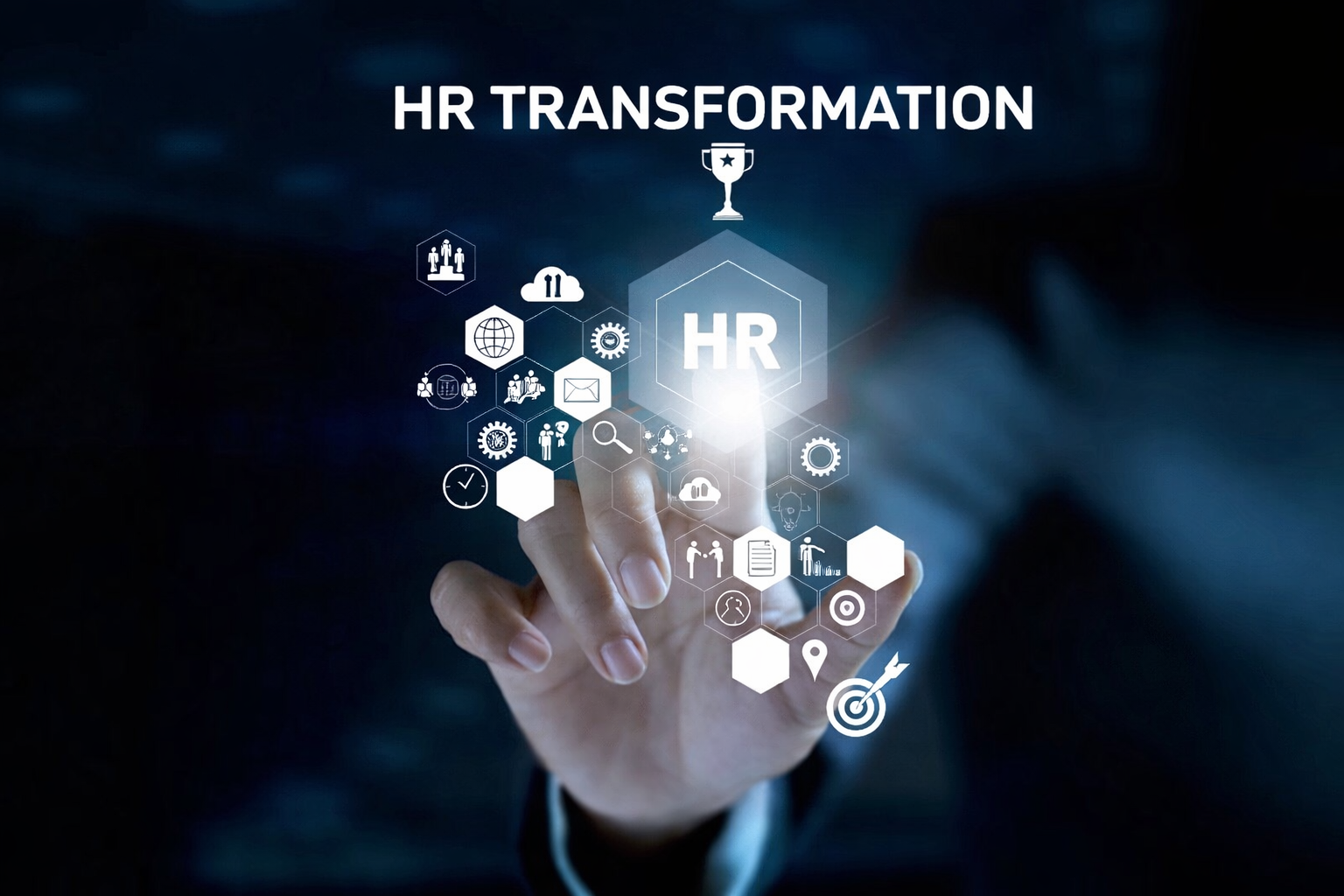
Enterprise HR Transformation refers to the modernization of HR functions using digital technologies, automation, and analytics to improve workforce productivity, employee experience, and organizational performance.
Instead of fragmented systems and spreadsheets, organizations deploy an integrated HRMS Platform that connects every HR process—from recruitment to retirement.
Key goals of enterprise HR transformation include:
- Building a centralized employee data ecosystem
- Automating repetitive HR workflows
- Enabling real-time HR analytics and insights
- Improving employee experience through self-service tools
- Supporting compliance and workforce governance
By implementing advanced HRMS Software, enterprises move from operational HR management to strategic workforce planning.
Why Enterprises Are Adopting HRMS Platforms
Large organizations manage thousands of employees, multiple departments, and complex payroll structures. Without a unified HR system, managing people operations becomes inefficient and error-prone.
A modern HRMS Platform helps enterprises overcome these challenges by offering:
1. Centralized Workforce Management
An enterprise HRMS acts as a single source of truth for employee data. HR teams can access employee records, documents, attendance, payroll details, and performance metrics in one unified system. This reduces data silos and improves decision-making across departments.
2. Automation of HR Operations
Routine HR tasks such as leave approvals, attendance tracking, onboarding workflows, and payroll processing can be automated using HRMS Software.
Automation helps HR teams:
- Reduce administrative workload
- Eliminate manual errors
- Improve process efficiency
This allows HR leaders to focus more on strategic HR transformation initiatives.
3. Intelligent Payroll and Compliance Management
Payroll complexity increases significantly in enterprise organizations. Compliance regulations, tax structures, and statutory requirements must be managed accurately.
Enterprise HRMS platforms automate payroll calculations, tax deductions, compliance filings, and reporting—ensuring accuracy and regulatory adherence.
4. Data-Driven HR Decision Making
A modern HRMS Platform provides advanced HR analytics dashboards. Organizations can track key workforce metrics such as:
- Employee turnover rate
- Workforce productivity
- Hiring efficiency
- Performance trends
These insights support data-driven HR transformation strategies and help leadership make informed workforce decisions.
5. Improved Employee Experience
Employee expectations have changed significantly in the digital workplace. Modern employees expect seamless HR interactions similar to consumer-grade applications. An enterprise HRMS Software offers:
- Employee self-service portals
- Mobile HR access
- Automated workflows
- Transparent leave and payroll tracking
This improves employee engagement and reduces dependency on HR teams.
Core Modules of an Enterprise HRMS Platform
A comprehensive HRMS Software integrates multiple HR functions into a single ecosystem. Key modules typically include:
The Core HR module acts as the central database of the HRMS Platform, storing all employee information in one place. It manages employee records, organizational structure, reporting hierarchies, and HR documentation. This ensures data consistency and provides a single source of truth for workforce information across the organization.
Payroll Management
The Payroll module in an enterprise HRMS Software automates salary processing, tax calculations, reimbursements, and statutory compliance. It ensures accurate payroll processing by integrating attendance and employee data. This helps organizations reduce payroll errors and maintain regulatory compliance.
Attendance and Leave Management
The Attendance and Leave module helps organizations track employee working hours, shifts, and leave requests in real time. Employees can apply for leave through self-service portals while managers approve requests through automated workflows. This module improves workforce visibility and ensures accurate payroll integration.
Performance Management System
The Performance Management module enables organizations to set employee goals, track performance, and conduct structured reviews. Managers can monitor progress, provide feedback, and align employee performance with business objectives. This supports continuous employee development and data-driven talent management.
Recruitment and Onboarding
The Recruitment and Onboarding module streamlines the hiring process by managing job postings, candidate applications, and interview workflows. Once a candidate is selected, the onboarding system automates documentation and employee setup. This helps organizations improve hiring efficiency and create a smooth joining experience.
HR Analytics and Reporting
The HR Analytics module provides insights into workforce trends, employee performance, and organizational metrics. HR teams can generate reports on attrition, productivity, and hiring efficiency through dashboards. These insights help leadership make informed decisions and strengthen long-term Enterprise HR Transformation strategies.
The Strategic Impact of HRMS Software on Enterprise Growth
Enterprise organizations today recognize that HR technology is no longer optional—it is a strategic investment.
A modern HRMS Platform drives business value by:
- Improving workforce productivity
- Enhancing employee engagement
- Reducing HR operational costs
- Strengthening compliance and governance
- Supporting long-term enterprise HR transformation
Companies that invest in advanced HRMS Software gain a competitive advantage through better talent management and data-driven HR strategies.
The Future of Enterprise HRMS Platforms
The next generation of HRMS Platforms is being shaped by technologies such as artificial intelligence, predictive analytics, and intelligent automation.
Future-ready HRMS solutions will enable:
- AI-driven talent management
- Predictive workforce analytics
- Automated HR decision support
- Intelligent employee experience platforms
As enterprises continue their digital journey, Enterprise HR Transformation will increasingly depend on scalable, intelligent HRMS Software ecosystems.
Organizations that adopt these platforms early will be better positioned to build agile, resilient, and high-performing workforces.
Frequently asked
FAQs
See it live
Ready to see HONO in action?
Book a 20-minute demo tailored to your team's HR stack.
Request a demoAbout the author
Neha Sinha
Neha Sinha is a Talent Acquisition Lead at HONO with around 9 years of experience in HR and recruitment. She specializes in data-driven hiring, HR analytics, and strategic talent management, and has worked with organisations like CarDekho (Girnar Group) and American Cyber Systems. She is passionate about building high-performing teams, aligning people strategy with business goals, and mentoring aspiring HR professionals.