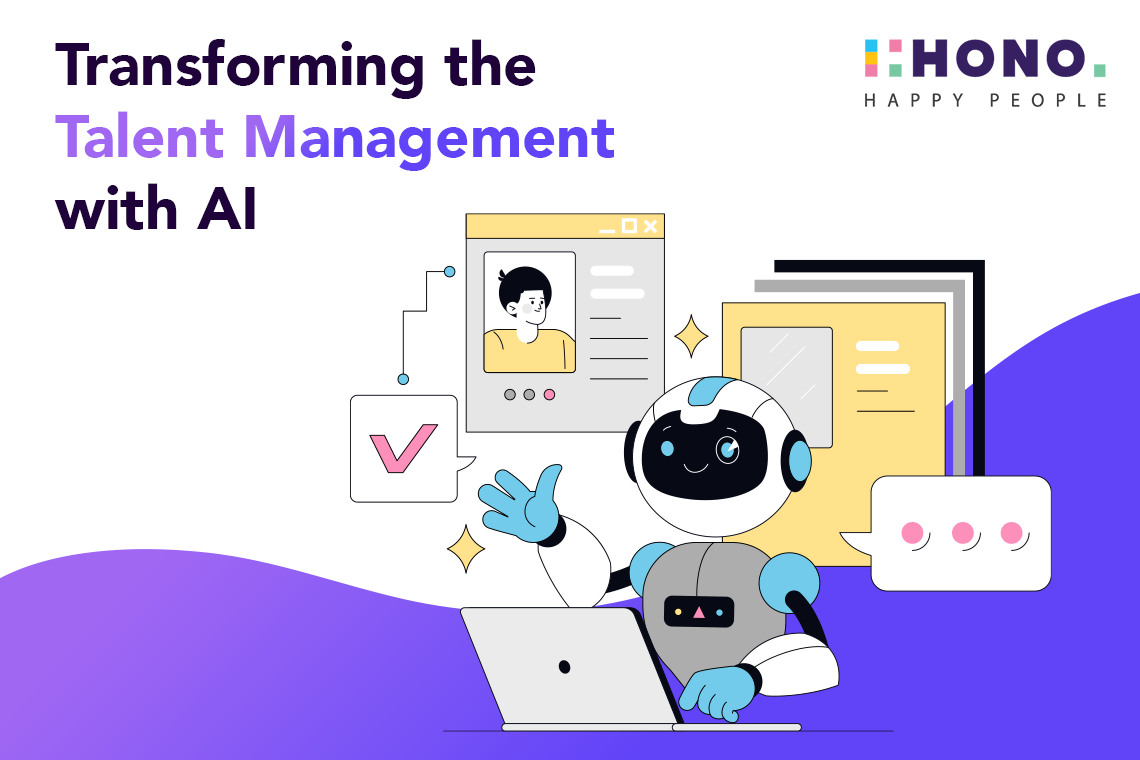
In this blog, we will look at how AI and automation are changing talent management and how businesses can use these tools to improve their HR processes altogether.
The Impact of AI in Modern Talent Management
AI is becoming an indispensable part of talent management strategies. From smarter recruitment processes to improved employee engagement, AI tools are enabling HR teams across various industries to make more informed decisions and focus on strategic growth. Here are some key ways AI in talent management is reshaping the HR landscape:
1. Smarter Recruitment Processes
One of the most significant ways AI enhances talent management is through smarter recruitment. AI can automate many manual tasks associated with hiring, including:
- Resume Screening: AI tools can quickly analyze resumes, identifying candidates who meet specific criteria and filtering out unqualified applicants.
- Candidate Shortlisting: By utilizing data-driven algorithms, AI can rank candidates based on their skills and experiences, ensuring that HR teams focus on the best fits.
- Initial Interview Rounds: Automated chatbots can conduct preliminary interviews, asking standardized questions and assessing responses to determine candidate suitability.
The result? A more efficient recruitment process that saves time, reduces human bias, and focuses on data-driven decision-making. Instead of spending hours sifting through applications, recruiters can engage with top candidates more effectively.
2. Enhancing Employee Engagement and Retention
Understanding employee needs and fostering engagement is crucial for retention. AI tools can help HR teams monitor employee sentiment through:
- Pulse Surveys: AI can analyze employee feedback in real-time, identifying areas of concern and allowing HR to address issues promptly.
- Personalized Learning: By analyzing employee performance data, AI can suggest tailored learning and development plans that align with individual career goals.
By leveraging AI analytics, organizations can create a more engaging work environment, leading to higher retention rates and a more satisfied workforce.
3. Performance Monitoring and Management
AI in talent management also streamlines performance monitoring and management. With AI-driven analytics, businesses can:
- Set Clear Performance Metrics: AI can help organizations define key performance indicators (KPIs) relevant to their goals, ensuring that employees understand expectations.
- Continuous Feedback: Instead of relying solely on annual reviews, AI tools can facilitate ongoing feedback, allowing employees to adjust their performance in real-time.
This shift toward continuous performance management fosters a culture of accountability and growth, benefiting both employees and the organization as a whole.
4. Data-Driven Decision Making
AI empowers HR teams to make data-driven decisions that can significantly impact talent management. By analyzing vast amounts of employee data, AI can identify trends and patterns that inform strategies for:
- Succession Planning: AI can predict potential leadership talent within the organization and recommend development paths for high-potential employees.
- Workforce Planning: By analyzing turnover rates and hiring trends, AI can help HR teams forecast future workforce needs and adjust recruitment strategies accordingly.
These insights enable businesses to proactively manage their talent, ensuring they have the right people in place to meet future challenges.
Read More: Transforming Employee Experience with AI: Personalization and Engagement
Actionable Takeaways for Implementing AI in Talent Management
As organizations look to integrate AI into their talent management strategies, here are some practical tips to consider:
- Start Small: Begin with a pilot project, such as automating resume screening, and gradually expand AI applications as you see positive results.
- Invest in Training: Ensure that HR teams are trained to use AI tools effectively. This training should include understanding data analytics and interpreting AI-generated insights.
- Focus on Employee Experience: Use AI to enhance the employee experience, from recruitment through to ongoing development. Engage employees in the process by seeking their feedback on AI tools to ensure alignment with their needs.
- Stay Informed on Regulations: As AI technology evolves, so do regulations surrounding its use in HR. Stay updated on legal requirements and ethical considerations related to AI in talent management.
Conclusion
The rise of AI in talent management is undoubtedly transforming HR processes, allowing organizations to recruit smarter, engage employees, and monitor performance more effectively. By adopting AI and automation, businesses can enhance their talent management strategies, making informed, data-driven decisions that benefit both employees and the organization.
As you consider implementing AI in your HR processes, remember that the key to success lies in understanding your unique organizational needs and leveraging technology to support your talent management goals. Embrace this change, and you'll be well on your way to building a more efficient, engaged, and productive workforce.
Frequently asked
FAQs
See it live
Ready to see HONO in action?
Book a 20-minute demo tailored to your team's HR stack.
Request a demoAbout the author
Akanksha Shekhar
With over 9 years immersed in the world of content marketing for SaaS, Cloud, HRMS and multiple other industries, Akanksha Shekhar currently leads the content initiatives as Manager of Content Marketing. Her expertise lies in the art of bringing words to life, creating engaging narratives and technically sound pieces that are both catchy and deeply informative.