Why Choosing the Right Payroll Software Matters
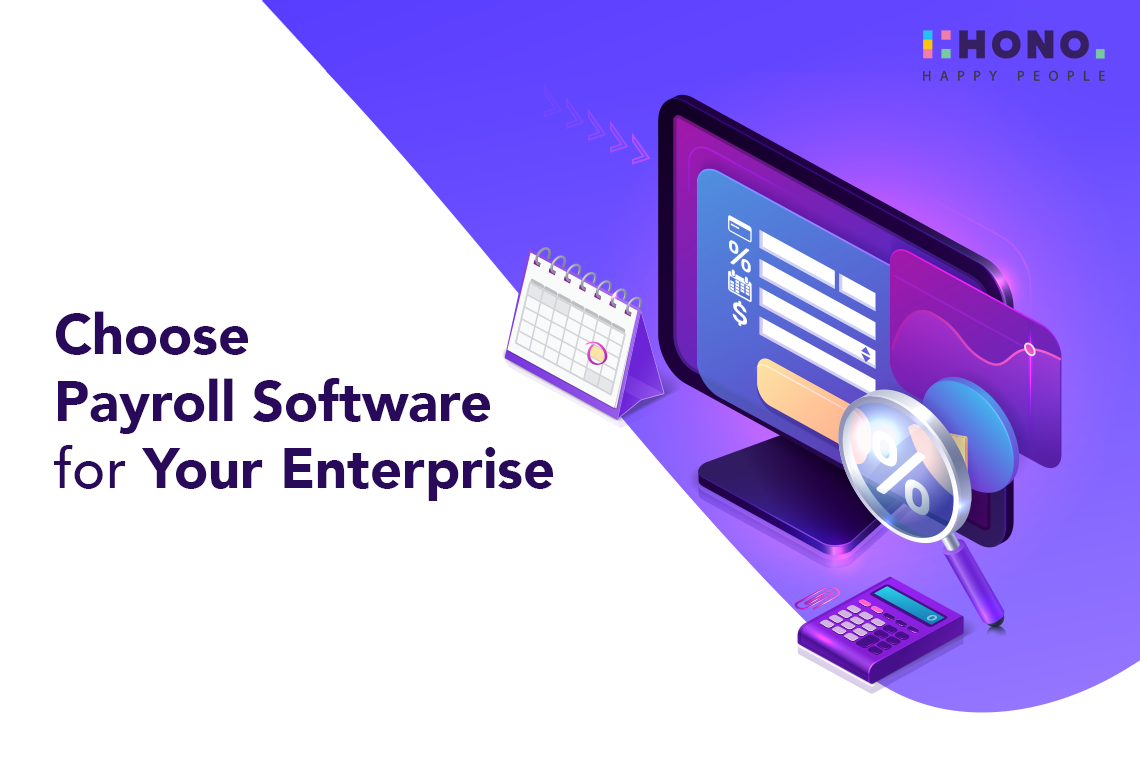
The right payroll software can simplify complex payroll processes, reduce errors, and free up valuable time for HR and finance teams. As organizations grow, their payroll needs become more intricate, making it essential to have a system that can adapt to these changes. Here are several vital factors to consider when choosing payroll software for your enterprise
1. Streamlined Processes
Automation is a game changer in payroll management. A good payroll platform should automate repetitive tasks such as:
- Calculating salaries: Ensuring accurate computations based on hours worked, overtime, and bonuses.
- Generating payslips: Allowing employees to easily access their pay information.
- Handling statutory deductions: Managing contributions to PF, ESI, and TDS without manual intervention.
By selecting payroll software with streamlined processes, you can minimize manual errors and accelerate payroll cycles, ensuring that your team can focus on strategic initiatives rather than administrative tasks.
2. User-Friendly Interface
Not everyone in your HR or finance department may be tech-savvy. An intuitive, user-friendly interface is crucial for ensuring that your team can efficiently manage payroll. Look for payroll processing software that includes:
- Simple dashboards: Providing a clear overview of payroll data.
- Clear options: Enabling users to navigate through tasks effortlessly.
- Step-by-step guidance: Offering support to reduce mistakes and enhance user confidence.
A user-friendly system reduces the learning curve associated with new software, making it easier for your team to adopt and utilize the platform effectively.
3. Cost-Effectiveness
While features and capabilities are essential, cost is a significant factor—especially for growing enterprises. Here are a few tips to ensure you choose a cost-effective payroll platform:
- Evaluate pricing models: Some payroll providers offer tiered pricing based on the number of employees, while others may charge per transaction.
- Look for scalable solutions: Choose software that can grow with your business, allowing you to add features or increase capacity without incurring hefty fees.
- Consider total cost of ownership: Beyond subscription fees, factor in implementation costs, training, and ongoing support.
A careful evaluation of costs will ensure that you choose payroll software that fits within your budget while still meeting your organizational needs.
4. Compliance and Security
Navigating the complexities of labor laws and tax regulations can be daunting. A reliable payroll platform should help you stay compliant with local and federal laws. Key features to look for include:
- Automatic updates: Ensuring that the software reflects the latest tax laws and regulations.
- Data security measures: Employing encryption and secure access protocols to protect sensitive employee information.
Investing in payroll software that prioritizes compliance and security can save you from costly penalties and protect your organization’s reputation.
5. Integration Capabilities
In today’s digital landscape, payroll does not exist in a vacuum. Your payroll software should seamlessly integrate with other systems, such as:
- HR management systems: To ensure that employee data flows smoothly between platforms.
- Accounting software: Making it easier to reconcile payroll expenses with financial statements.
Integration capabilities enhance the overall efficiency of your operations, allowing for better data accuracy and streamlined processes.
6. Customer Support and Training
Choosing payroll software is not just about the features—it's also about the support you receive. Look for providers that offer:
- Comprehensive training resources: Such as webinars, documentation, and tutorials.
- Responsive customer support: Access to knowledgeable representatives who can assist with any issues that arise.
Reliable support can make a significant difference, especially during the implementation phase or when adapting to updates.
7. Scalability and Future-Proofing
As your business evolves, so too will your payroll needs. When evaluating payroll platforms for enterprises, consider:
- Scalability: Can the software accommodate your growing workforce?
- Future-proofing: Does the provider have a roadmap for upcoming features, ensuring that the software will continue to meet industry demands?
Investing in scalable payroll software can protect your organization from outgrowing your chosen solution too quickly.
Actionable Takeaways
Here are some practical tips to help you navigate the selection of payroll software:
- Conduct a needs analysis: Assess your current payroll processes and identify pain points that software can solve.
- Request demos: Engage with vendors to see the software in action and ask questions that matter to your organization.
- Seek references: Talk to other businesses in your industry to learn about their experiences with specific payroll platforms.
- Compare multiple options: Don’t settle for the first solution you find; exploring various options can lead to better insights and opportunities.
Conclusion
Selecting the right payroll software for your enterprise is a critical decision that can significantly impact your organization’s efficiency and compliance. By considering the factors outlined above, you can make an informed choice that aligns with your business needs. Remember, investing in the right payroll platforms for enterprises is not just about managing payroll—it's about empowering your HR and finance teams to focus on what truly matters: driving your business forward.
By taking the time to evaluate your options carefully, you can choose a payroll software solution that not only meets your current requirements but also supports your growth for years to come. Happy payroll processing!
See it live
Ready to see HONO in action?
Book a 20-minute demo tailored to your team's HR stack.
Request a demoAbout the author
Akanksha Shekhar
With over 9 years immersed in the world of content marketing for SaaS, Cloud, HRMS and multiple other industries, Akanksha Shekhar currently leads the content initiatives as Manager of Content Marketing. Her expertise lies in the art of bringing words to life, creating engaging narratives and technically sound pieces that are both catchy and deeply informative.